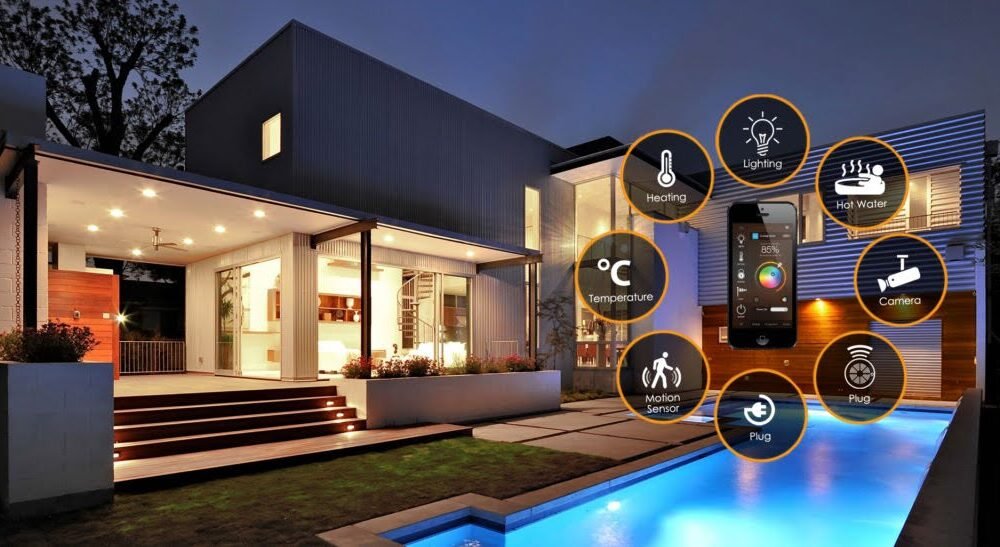
Remember scrambling out the door, wondering if you left the lights on? Or waking up at 2 a.m. convinced you forgot to lock the front door? These small moments of uncertainty add up. That’s exactly where home automation steps in—quietly handling the details so you don’t have to.
From smart thermostats to voice-controlled lighting, more households are discovering that a connected home isn’t just a luxury. It’s a genuinely practical upgrade for everyday life.
The Convenience Factor
Busy families know the drill: mornings are chaotic, evenings are rushed, and the to-do list never really ends. Home automation takes repetitive tasks off your plate entirely.
Imagine your coffee maker starting up before your alarm goes off. Your blinds opening gradually as the sun rises. Your front door unlocking automatically when you pull into the driveway. None of this requires any effort on your part once it’s set up.
Smart home devices like Amazon Echo or Google Nest let you control appliances, lights, and locks through simple voice commands or a smartphone app. It’s the kind of convenience that doesn’t feel flashy—it just makes your day run more smoothly.
Energy Efficiency and Savings
One of the most tangible benefits of home automation is the impact it has on energy bills. Smart thermostats, for example, learn your schedule over time and adjust heating and cooling accordingly. They stop wasting energy on an empty house and ensure your home is comfortable when you actually need it.
Automated lighting systems take this further. Lights that dim when natural sunlight is sufficient, or switch off automatically when a room is empty, can meaningfully reduce electricity consumption over time.
According to the U.S. Department of Energy, heating and cooling account for nearly half of a home’s energy use. Even modest automation in this area can translate into real, ongoing savings—without any sacrifice in comfort.
Safety and Peace of Mind
Security is where home automation really earns its keep. Smart doorbells with cameras let you see who’s at the door from anywhere in the world. Motion-sensing lights deter would-be intruders. Smart locks let you grant access remotely and track who comes and goes.
For parents of young children, connected smoke detectors and leak sensors offer an extra layer of protection that traditional devices can’t match. You get an alert on your phone the moment something is detected—even if you’re at the office or traveling.
There’s also something to be said for the emotional value here. Knowing your home is being monitored and that you can check in at any time provides a kind of quiet reassurance that’s hard to put a price on.
Getting Started
The good news? You don’t need to overhaul your entire home to get started with home automation. Most people begin with one or two devices and expand from there.
A smart speaker is an easy entry point—it connects with a wide range of other devices and gets you comfortable with voice control. From there, a smart thermostat or a set of smart bulbs can make a noticeable difference without requiring any complicated installation.
Here are a few practical first steps:
- Start small: Pick one area of your home or one routine to automate first.
- Choose compatible devices: Look for products that work within the same ecosystem (Google Home, Amazon Alexa, or Apple HomeKit) to avoid connectivity headaches.
- Set it and forget it: Once your devices are configured, let them do their job. The less you have to think about it, the better.
The learning curve is gentler than most people expect, and the payoff becomes obvious quickly.
A Smarter Home Starts With Small Steps
Home automation isn’t about turning your house into something out of a sci-fi film. It’s about making the place where you spend most of your time work better for you—saving energy, keeping your family safer, and freeing up mental bandwidth for the things that actually matter.
Start with what frustrates you most about your daily routine. There’s a good chance home automation already has a solution for it.
Leave a Reply