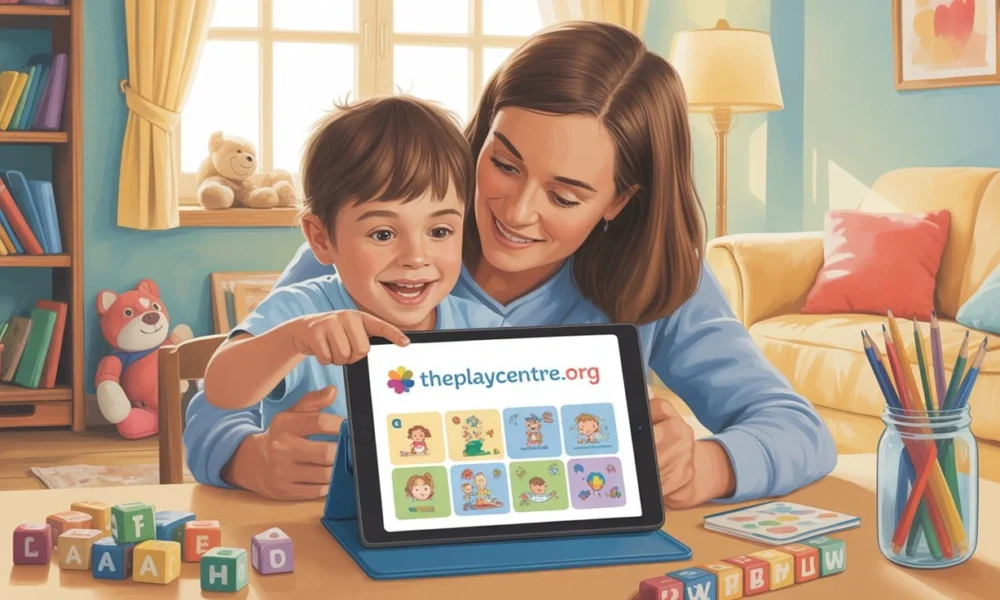
Parents today are more selective than ever about the digital platforms their children use. With growing awareness about online safety, educational value, and healthy screen habits, families want platforms that genuinely support development rather than simply entertain. This rising interest is one reason many people are searching for theplaycentre .org.
Users typically want clear answers: What is it? What does it offer? Is it safe for children? Does it actually support learning? This in-depth guide explains everything you need to know, including its purpose, benefits, possible challenges, and how to evaluate whether it suits your family’s needs.
What Is Theplaycentre .org?
Theplaycentre .org appears to represent a play-centered platform focused on child development, interactive engagement, and structured learning through activities. Based on user search behavior around similar platforms, most parents are looking for:
- Safe online play environments
- Learning-based activities
- Developmentally appropriate games
- Creative engagement tools
- Community-focused child programs
Play-based development is widely recognized as one of the most effective ways children learn. Rather than relying only on memorization or rigid instruction, play encourages exploration, experimentation, and imagination.
The growing attention around theplaycentre .org reflects a broader shift toward meaningful, experience-based learning for children.
Why Play-Based Learning Is Important
Children are naturally curious. When learning feels like play, they absorb information more effectively and retain it longer.
Play-centered platforms typically support:
- Cognitive growth
- Social interaction
- Emotional regulation
- Language development
- Physical coordination
When thoughtfully designed, platforms like theplaycentre .org help bridge digital access with developmental support.
Core Features Parents Should Look For
When researching theplaycentre .org, families often evaluate the structure and functionality of the platform. Below are essential elements that any credible play-based resource should provide.
1. Age-Appropriate Activities
Content should match specific developmental stages such as toddlers, preschoolers, and early primary children. Activities need to be neither too simple nor overly complex.
2. Safe Digital Environment
Security measures are critical. Parents should expect:
- Clear privacy policies
- Secure login systems
- Limited public interaction
- Parental oversight options
3. Structured Educational Value
High-quality platforms integrate foundational skills such as early literacy, basic numeracy, creative arts, and social-emotional exercises.
4. Progress Tracking Tools
Parents benefit from dashboards or summaries that show activity participation and skill development.
Any platform associated with theplaycentre .org should clearly communicate these features.
Benefits of Using Theplaycentre .org
Cognitive Development
Interactive challenges stimulate memory, attention span, and reasoning skills. When children solve puzzles or complete guided tasks, they strengthen neural connections.
Emotional Growth
Structured play supports confidence, independence, and self-expression. Children learn to manage frustration and celebrate achievement.
Social Skills
Collaborative exercises encourage empathy, sharing, and communication. Even digital interaction can foster positive behavioral habits when properly guided.
Creativity Enhancement
Storytelling, art activities, and imaginative scenarios nurture original thinking. Creativity is closely linked to problem-solving ability later in life.
Stronger Parent-Child Interaction
One overlooked benefit of theplaycentre .org is the opportunity for shared engagement. When parents participate alongside children, it builds trust and strengthens communication.
Challenges Parents Should Consider
While play-centered platforms provide many advantages, there are also considerations families should keep in mind.
Screen Time Management
Educational tools still require healthy boundaries. Children benefit most when digital activities are balanced with outdoor play and real-world social interaction.
Content Quality Differences
Not every online platform maintains consistent standards. Parents should review activity quality and developmental alignment.
Privacy and Data Security
Always examine how user information is stored and protected. Transparency builds confidence.
Overdependence on Technology
Digital play should complement traditional experiences, not replace them.
How to Evaluate Theplaycentre .org Step by Step
If you are considering theplaycentre .org, follow this structured approach:
Step 1: Review the Platform’s Mission
Look for a clear explanation of its goals, educational philosophy, and developmental focus.
Step 2: Examine Safety Policies
Ensure there are defined privacy protections and parental monitoring tools.
Step 3: Explore Sample Activities
Test available games or modules. Ask yourself:
- Is the activity engaging?
- Does it encourage thinking?
- Is it suitable for your child’s age?
Step 4: Observe Your Child’s Reaction
Pay attention to attention span, excitement level, and overall mood during and after use.
Step 5: Assess Long-Term Value
Strong platforms continuously update content and introduce progressive skill-building pathways.
By following these steps, parents can confidently determine whether theplaycentre .org aligns with their expectations.
Real-World Impact of Play-Based Learning
Many educational systems around the world prioritize play in early childhood. Schools that incorporate hands-on discovery often report stronger communication skills and improved emotional development among students.
Families who consistently integrate structured play programs commonly notice:
- Increased curiosity
- Better focus
- Improved vocabulary
- Greater emotional resilience
These outcomes explain why interest in theplaycentre .org continues to grow among modern parents.
Best Practices for Parents Using Play Platforms
- Set consistent daily usage limits.
- Engage with your child during activities.
- Discuss what they learned afterward.
- Alternate between digital and physical play.
- Regularly review activity summaries if available.
Applying these practices ensures that using theplaycentre .org supports balanced development.
Traditional Learning vs Play-Based Learning
Traditional education emphasizes structure and evaluation. Play-based systems focus on exploration and self-directed discovery.
A blended approach often produces the best outcomes.
For example:
- Math concepts can be introduced through interactive puzzles.
- Reading skills can develop through storytelling games.
- Science ideas can emerge from simulated experiments.
When structured learning meets creative engagement, children experience deeper understanding and longer retention.
Frequently Asked Questions
What is theplaycentre .org used for?
Theplaycentre .org is associated with play-centered child development resources designed to combine learning and interactive engagement.
Is theplaycentre .org safe for children?
Safety depends on moderation systems, parental controls, and privacy policies. Parents should review the platform’s security information before use.
How does play-based learning help children?
Play-based learning improves creativity, problem-solving, communication skills, and emotional regulation while making learning enjoyable.
Can parents monitor activity on theplaycentre .org?
Many structured platforms provide tracking features that allow parents to review participation and skill progress.
Should digital play replace traditional play?
No. Digital activities should support, not replace, physical movement, social interaction, and outdoor experiences.
Professional Perspective on Play-Based Platforms
From years of analyzing digital education platforms, one clear pattern stands out: families trust platforms that demonstrate transparency, child-focused design, and structured development pathways.
When evaluating theplaycentre .org, consider whether the platform:
- Clearly explains its educational approach
- Provides structured progression
- Encourages parental involvement
- Prioritizes safety
Trustworthy platforms communicate openly and consistently.
Final Thoughts
The growing search interest in theplaycentre .org reflects a meaningful shift in parenting priorities. Families are no longer satisfied with passive entertainment. They want platforms that nurture curiosity, creativity, and confidence.
Play remains one of the most powerful learning tools available. When thoughtfully integrated into a child’s routine, it supports intellectual growth, emotional stability, and social awareness.
If you are considering theplaycentre .org, approach it with balance, awareness, and active involvement. The most successful outcomes occur when technology enhances human connection rather than replacing it.
With careful evaluation and structured use, play-based platforms can become valuable partners in your child’s developmental journey.
Leave a Reply