Category: Blog

  • Instagram Reach Strategies: How Influencers Use Smart Targeting

    Instagram Reach Strategies: How Influencers Use Smart Targeting

    Instagram keeps developing, and so do the strategies of influencers to develop. It is not sufficient to post pictures that are appealing or even to post popular reels in 2026.  


    The algorithm of the platform emphasizes the relevance and the quality of engagement and the behavior of the audience. This is why smart targeting has turned into one of the most influential instruments that influencers act to increase their visibility with. 


    Increasing on Instagram today is not as much of a matter of chance, but rather of knowing how reach is in the real sense. 

    Why Reach Is More Important Than the Number of Followers 

    Most of the creators were interested only in acquiring followers. Now reach as well as engagement are more important. Reach is a metric that indicates the number of unique users that view your content and engagement is a metric that lets Instagram know whether your content should be distributed further or not. 


    The algorithm is likely to promote a post to: in case it has already had a lot of attention during the first hour. 


    • Explore page users 


    • Suggested feeds 


    • Hashtag search results 


    • Similar audience groups 


    Even the great contents cannot be noticed without early interaction. 

    Intelligent Targeting: The New Growth Formula 


    Smart targeting implies delivering content to the appropriate audience rather than a high number of people.  


    Influencers achieve this by: 


    • Studying interest and behavior of the audience. 


    • Hashtags used need to be niche specific. 


    • Publishing during the busiest times. 


    • Analyzing insights weekly 


    • Producing content with trending yet relevant issues. 


    Successful influencers target a well-defined population as opposed to creating materials that appeal to everyone. 

    Taking Advantage of Visibility Tools 

    Organic discovery is not fast in competitive niches such as fashion, fitness, finance, and digital marketing. That is why numerous influencers consider options that are aimed at Expand Instagram reach without neglecting the quality of the content. 


    Such platforms are normally applied to solidify initial engagement indicators, enhance content exposure, and discoverability in densely populated environments. 


    As long as they are used in addition to regular posting and contact with the audience through tools that assist in increasing the reach of Instagram, they can work in support of momentum without substituting the activity of growing organically. 

    Content Still Comes First 

    There is no strategy that operates without content. The factors that should be constantly developed in influencers include: 


    • Videos based on powerful hooks. 
    •  
    • Captions are storytelling and not generic lines. 
    •  
    • Engaging narratives and surveys. 
    •  
    • Clear calls to action 


    Developing a memorable content format 


    Most smart targeting can just enhance the existing. Promotion will not be enough to keep the growth going in case the content is not valuable. 

    Sustainable Growth on Instagram 


    Instagram is rewarding those creators who have a deep grasp of their audience. The secret of long-term reach is to mix: 


    • Data-driven decisions 


    • Consistency 


    • Real engagement 


    • Strategic exposure 


    Influencers who use Instagram as a business and not as a hobby are also likely to grow at a faster rate. They interpret performance, change strategies and implement the appropriate support systems to remain competitive. 

    Final Thoughts 


    In 2026, the reach of Instagram is concerned with being precise. Smart targeting assists the influencers to reach the right audience at the right time. As the quality content is combined with strategic visibility, the growth becomes more predictable and manageable. 


    The successful creators are also those who are creative and strategy-oriented so that their content not only looks well but is also seen. 


  • SocialWick Review: Pros, Cons & User Experience – Detailed Overview

    SocialWick Review: Pros, Cons & User Experience – Detailed Overview

    When you have been examining how you can expand your social media fast, you are likely to have come across those sites that are offering to give you instant interaction. SocialWick is one of the services which can be frequently mentioned. It is created to assist creators, influencers, and small businesses increase the number of followers, likes, and general visibility on such platforms as Instagram, Tik Tok, and YouTube. But is it really coming through or is it merely hype? Let’s take a closer look.

    Understanding SocialWick’s Process

    Fundamentally, SocialWick functions similarly to the majority of SMM (social media marketing) sites: you select a service e.g., Instagram followers or YouTube views, specify your account or content link after which the service provides the engagement. The difference with SocialWick is that it has a fast and user-friendly dashboard. The interface is user-friendly even though you are new to social media marketing without having to follow a tutorial.

    The variety of services available is the other feature that is worth mentioning. In addition to followers and likes, there are also SocialWick engagement boosts of livestreams and interacting with stories. The diversity can assist users to develop several areas of their social media presence simultaneously instead of working on one metric.

    Pros

    The convenience is one of the greatest opportunities of SocialWick. It does not take weeks to start showing results: in most instances followers and likes start coming in a few hours. This is in fact a time-saving aspect especially when one is a small business or a piece of content attempting to build some ground in a short period of time.

    The site also boasts of transparent pricing. The packages are well displayed and you are well aware of the amount of money you are paying and what you expect. Also, the SocialWick also provides customer support to the users encountering problems, which is frequently absent on the platforms of lesser renown.

    The other advantage is the user experience. The dashboard is uncluttered and the process of ordering is easy. Unnecessary upsells, having too many choices, and being confused with them do not bombard you, and the whole process becomes less intimidating than with some competitors.

    Cons

    SocialWick is not flawless, and there are several disadvantages of this platform. The first limitation is that though follower boosts are quick, the involvement of such followers does not necessarily turn out to be extremely active and long-lasting. That is, you can become a popular follower in a short period of time, but the level of communication can be poor.

    Moreover, SocialWick is also based on external accounts to provide the followers and likes. It implies that the results may be different based on the activity and availability of the platform. This may not be attractive to the users seeking organic, slow-growth plans.

    The last thing, livestream or story boosts, can be purchased more than once to sustain the effect. You should bear it in mind in case you are planning a long-term strategy instead of a push.

    User Experience

    According to most users, SocialWick is user friendly particularly to those who are new in social media marketing. The orders are fast to process and the dashboard is not cluttered. The site as well offers a convenient refund policy in the event of problem, an element that brings a sense of trust to first time shoppers.

    Although it cannot replace the organic growth measures such as regular production of content or interaction with the audience, SocialWick can provide an evident increase in the figures. It is very useful to many creators when they are introducing new content or attempting to gain traction in a competitive niche.

    Conclusion

    In general, SocialWick is the possible solution to creators and businesses wanting to expedite the growth of social media. It is fast, easy, and reasonably priced, but users need to know that it is limited in the quality of engagement. In case you are after a quick, simplified method of gaining following, as well as still pursuing organic growth, the efforts of SocialWick can be used as a complement.

    As long as you do it in the right way, it is not a matter of replacing actual interaction as much as it is about providing your profiles with a shot of fame.

  • How Earthing Restores Your Energy Naturally

    How Earthing Restores Your Energy Naturally

    You wake up tired. You’ve slept enough hours, eaten well, and cut back on screen time—but that persistent fatigue just won’t budge. What if the solution was as simple as stepping outside and planting your feet on the ground?

    That’s the premise behind earthing, a practice gaining real traction among wellness communities across North America, including right here in Canada.

    What Is Earthing?

    Earthing—also called grounding—is the practice of making direct physical contact with the Earth’s surface. When your bare skin touches soil, grass, sand, or water, your body absorbs free electrons from the Earth’s natural electric field.

    The science behind this is straightforward. The Earth carries a mild negative charge. Human bodies, exposed to stress, inflammation, and electromagnetic pollution from devices, tend to accumulate a positive charge over time. Direct contact with the Earth helps neutralize that imbalance—restoring the body’s natural electrical state.

    Research published in the Journal of Environmental and Public Health found that grounding influences the body’s physiological processes, including inflammation regulation, sleep quality, and autonomic nervous system function.

    How Earthing Supports Natural Energy

    Fatigue is often linked to chronic low-grade inflammation and poor sleep—two areas where earthing shows genuine promise. When your body’s electrical environment is balanced, cellular communication improves. Your mitochondria, the energy-producing units in your cells, function more efficiently.

    Here’s what regular grounding may support:

    • Reduced fatigue: By calming the nervous system, earthing can help your body shift out of a prolonged stress response—one of the biggest energy drains most people overlook.
    • Better sleep: Grounding has been shown to normalize cortisol rhythms, the hormone that governs your sleep-wake cycle.
    • Improved circulation: Some studies suggest that earthing thins the blood slightly, improving oxygen delivery to tissues and reducing that heavy, sluggish feeling.

    This is where Earthing Canada comes in. For those who can’t always get outside—especially during harsh winters—Earthing Canada provides high-quality grounding products like earthing mats, sheets, and patches that replicate this connection indoors.

    Practical Ways to Ground Yourself Year-Round

    Canada’s climate doesn’t always make outdoor grounding easy. A barefoot walk in January is ambitious, to say the least. But there are realistic ways to incorporate grounding into your routine regardless of the season.

    In warmer months:

    • Walk barefoot on grass, sand, or natural soil for at least 20–30 minutes per day.
    • Swim in a lake, river, or the ocean—natural water bodies are excellent conductors of the Earth’s charge.
    • Garden without gloves to maintain direct skin-to-soil contact.

    In colder months:

    • Use an earthing mat at your desk or under your feet while working.
    • Try an earthing bed sheet to ground yourself passively while you sleep.
    • Look for moments indoors to use grounding products from Earthing Canada to maintain consistency through fall and winter.

    The key is consistency. Short daily sessions tend to produce better results than occasional long ones.

    Restoring Balance Through the Earth

    Energy restoration doesn’t always come from adding something new to your routine—sometimes it comes from reconnecting with what’s already there. The Earth’s surface has been a source of biological balance for humans throughout history. Shoes, flooring, and modern lifestyles have simply disconnected us from it.

    If chronic fatigue, poor sleep, or general sluggishness are things you’re managing, earthing is a low-risk, evidence-supported practice worth exploring. Start small—ten minutes of barefoot contact on natural ground, or a grounding mat from Earthing Canada if outdoor access is limited.

  • NPLQ Prep: What I Wish Someone Told Me About Getting Certified

    NPLQ Prep: What I Wish Someone Told Me About Getting Certified

    Look, I’m not going to lie. That NPLQ certification? It feels like a big hurdle when you’re first thinking about it. I remember being sixteen, summer break just around the corner, and everyone I knew wanted to be a lifeguard. The money was decent for a kid, you got to be outside, and, let’s be real, it looked cool. But that National Pool Lifeguard Qualification course? Terrifying. Especially the swimming bits, which, ironically, I thought I was hot stuff at.

    Turns out, swimming for fun and swimming to save someone are two wildly different animals. I eventually got through it, working pools for years, even a few summers at the beach here in Florida, and honestly? It changed how I saw everything about water safety. If you’re eyeing that certification in 2026, here’s my real talk on how to actually pass, and maybe even enjoy, the process. Trust me on this one.

    Get Your Head in the Game (It’s More Than Just Swimming)

    Okay, so first things first: forget you’re just learning to swim faster. You’re learning to *lifeguard*. That means your brain needs to be switched on, big time. It’s about constant observation, quick decision-making, and staying calm when everything around you screams chaos.

    I’ve seen so many people fail because they focused only on the physical tasks and totally missed the point of the job itself. It’s a massive responsibility, you know? Your eyes are literally on people’s lives. And that mental toughness, that ability to stay alert for hours on end, is something you have to start practicing now.

    Seriously. Sit by a busy pool (from a safe distance, obviously) and just watch. Predict what people will do. Spot the potential trouble. It sounds silly, but it helps. A lot. The Royal Life Saving Society UK, the folks behind the NPLQ, really stress this vigilance part—check out their official RLSS NPLQ page for more on what they expect.

    Dry-Side Drills? Oh yeah.

    Okay, so it’s not all about splashing around. A huge chunk of the NPLQ, and your actual job, happens on dry land. We’re talking first aid, CPR, communication, and understanding all the equipment. Don’t skimp on this part. Seriously.

    I know, everyone wants to jump in the pool. But a good lifeguard knows their way around a first aid kit and can perform CPR without blinking. My first ever rescue, actually, was just a kid who’d slipped on the wet deck and banged their head. Didn’t even touch the water. So yeah, dry skills are huge.

    Really get to grips with the theory. Practice those CPR compressions until they feel natural. Learn how to use an AED. Know your acronyms. This stuff is critical, and honestly, it’s often overlooked by people who just want to nail the swimming. You’ll probably cover a lot of the same ground as a standard First Aid/CPR/AED course, which is a good baseline to think about. The American Red Cross First Aid/CPR/AED curriculum is a solid example.

    The Water Work: Don’t Just Swim, Lifeguard

    Alright, this is where most people think the real challenge is. And fair enough, it *is*. But here’s the kicker: it’s not just about speed. Sure, you need to be able to swim like a fish, but you also need to demonstrate control and efficiency while rescuing.

    Dragging a casualty out of the water isn’t like doing laps. It’s awkward. It’s heavy. And you’re doing it while trying to keep their head above water. My biggest advice? Practice, practice, practice the actual rescue techniques. Not just swimming back and forth. Get a buddy, take turns being the ‘casualty,’ and really work on those tows, the spinal board procedures, and getting people out of the water safely.

    And for goodness sake, wear the actual equipment you’ll be using. A rescue tube feels different than nothing. The fin kicks? Those need to be strong. Getting your hands on an nplq practice test can help you figure out what specific scenarios and skills you’ll be tested on. They can really pinpoint where you need to spend more time in the water. Remember, lifeguarding is a very specific type of swimming; it’s about quick reaction and effective intervention, not just brute force in the water. For a little background, Wikipedia’s page on lifeguarding gives a good overview of the history and scope if you’re curious about the broader context.

    Test Day: Keep Your Cool

    So, the big day arrives. You’re probably going to be nervous. Everyone is. I sure was. My hands were shaking so bad before the timed swim, I nearly dropped my goggles.

    But here’s what I learned: the instructors aren’t trying to trick you. They just want to see that you can perform under pressure, safely and effectively. They want to see you apply everything you’ve learned. My best tip for test day? Breathe. Seriously. Take a few deep breaths before each section.

    Remind yourself that you’ve put in the work. And don’t be afraid to ask for clarification if you genuinely didn’t understand an instruction—sometimes nerves make us hear things wrong. Don’t guess. If you’re unsure, just ask, ‘Could you repeat that? ‘It shows you’re being thorough, not that you’re unprepared. Most importantly, trust your training. You’ve got this.

  • Tax & VAT for Rideshare Drivers: What HMRC Expects in 2026

    Tax & VAT for Rideshare Drivers: What HMRC Expects in 2026

    Driving for Uber, Bolt, or other rideshare apps keeps you busy. You pick up people, earn fares, and drive lots of miles. But taxes and VAT can take a big bite if you do not plan right. Many drivers miss out on savings or face surprises from HMRC.

    If you are searching for an accountant for uber driver, this post will guide you through the rules in 2026. We explain income tax, expenses, and VAT changes in simple words. From helping many rideshare drivers over the years, we know what HMRC checks and how to stay safe. business accounting services works with self-employed drivers every tax season. We see the new rules in action and help clients keep more of their earnings.

    Let us cover it all so you can drive with peace of mind.

    You Are Self-Employed – What That Means

    Most rideshare drivers count as self-employed. You run your own business. You pick your hours and use your car. HMRC sees you as a sole trader.

    This means you pay tax on your profits. Profit is your fares minus expenses. You also pay National Insurance to build your state pension and benefits.

    You must register for Self Assessment if you earn over £1,000 in a tax year. The tax year runs from 6 April to 5 April. Register by 5 October after the year ends. File your return by 31 January.

    Income tax rates in 2026 stay the same:

    • £0 to £12,570: No tax (personal allowance)
    • £12,571 to £50,270: 20% basic rate
    • £50,271 to £125,140: 40% higher rate
    • Over £125,140: 45% additional rate

    National Insurance adds 6% on profits from £12,570 to £50,270. Then 2% above that.

    Many drivers earn enough to pay tax. Good records help cut your bill.

    Your Income – What Counts

    All money from rideshare is income. This includes:

    • Fares from passengers
    • Tips
    • Bonuses from the app
    • Any extra payments

    Uber and others send you a yearly summary. Use it to check your total.

    HMRC gets data from platforms under new reporting rules. They know your earnings. Report everything to avoid problems.

    Expenses You Can Claim

    Expenses lower your profit. You pay tax on less money. Claim only what is for business.

    Common claims for rideshare drivers:

    • Fuel
    • Insurance for your car
    • Repairs and servicing
    • MOT and road tax
    • Cleaning the car
    • Phone bills and data for the app
    • Parking fees and tolls
    • Uber or app fees (like commission)

    You have two ways to claim car costs:

    • Mileage allowance: 45p per mile for the first 10,000 business miles. Then 25p after. Easy, no receipts needed for fuel.
    • Actual costs: Claim real spend but split business and personal use. Need receipts and a mileage log.

    Mileage suits most drivers. It is simple. Actual costs fit if your car has high repair bills.

    Keep a log for every trip. Note date, start and end place, miles, and why it was work.

    business accounting services helps drivers track this. We see big savings from good mileage claims.

    VAT Rules for Rideshare Drivers in 2026

    VAT is 20% on most sales. You charge it if registered.

    The VAT threshold is £90,000 turnover in 12 months. Turnover is your total fares before fees.

    Most drivers stay under this. They do not charge VAT.

    Big change in 2026: From 2 January, new rules hit private hire operators.

    For London: Operators like Uber act as principal. They charge 20% VAT on full fare. Drivers get paid after. Most drivers do not register for VAT themselves because earnings stay below £90,000.

    Outside London: Uber switched to agency model. Drivers contract direct with passengers. Drivers handle VAT if over threshold. But most are under £90,000, so no VAT on fares. Uber charges VAT only on its commission.

    This change came from the Autumn Budget 2025. It closed a loophole. Platforms can no longer use the Tour Operators’ Margin Scheme for full fares.

    If your bookings go over £90,000, register for VAT. Charge 20% on fares. Reclaim VAT on your buys like fuel.

    Check your app earnings often. Platforms report to HMRC. Stay on top.

    How to Report and Pay Tax

    File Self Assessment online. Use the self-employment section.

    Steps:

    1. Add your total income from rideshare.
    2. List expenses or use mileage.
    3. Work out profit.
    4. Add any other income.
    5. HMRC calculates tax and NI.
    6. Pay by 31 January.

    You can pay in payments on account if last bill was over £1,000.

    Use Making Tax Digital if VAT registered. But most drivers are not.

    Keep records 6 years. HMRC can check.

    Tips to Save Money and Stay Safe

    • Track miles with an app. It helps for claims.
    • Separate business bank account. Makes records easy.
    • Claim phone and cleaning costs.
    • Review expenses each quarter.
    • Save for tax. Set aside 20-30% of earnings.
    • Get help if earnings grow. VAT or Ltd company may help.

    From real drivers we help, good expense logs cut tax bills by thousands. One Uber driver claimed high mileage and saved £2,500.

    Common Questions from Rideshare Drivers

    Do I charge VAT on fares?

    Most no. Only if over £90,000 or in London setup.

    Is mileage better than actual?

    Yes for most. Simple and fair.

    What about tips?

    Taxable. Add to income.

    Can I claim car finance?

    Interest yes. Full payment no.

    How to file if new driver?

    Register when over £1,000. File first return next year.

    Stay Ahead with Your Rideshare Taxes

    Taxes and VAT for rideshare drivers in 2026 need attention. Report income right. Claim expenses smart. Watch VAT changes from January.

    You keep more money this way. Focus on driving, not tax stress.

    At business accounting services, we know rideshare rules well. We help drivers with Self Assessment, mileage claims, and VAT checks. Many save time and cash.

    Ready to sort your 2026 taxes? Reach out today. We can review your earnings and set up easy claims. Your rideshare work can pay better. Let us make it simple for you.


  • Theplaycentre .org Complete Guide for Parents

    Theplaycentre .org Complete Guide for Parents

    Parents today are more selective than ever about the digital platforms their children use. With growing awareness about online safety, educational value, and healthy screen habits, families want platforms that genuinely support development rather than simply entertain. This rising interest is one reason many people are searching for theplaycentre .org.

    Users typically want clear answers: What is it? What does it offer? Is it safe for children? Does it actually support learning? This in-depth guide explains everything you need to know, including its purpose, benefits, possible challenges, and how to evaluate whether it suits your family’s needs.

    What Is Theplaycentre .org?

    Theplaycentre .org appears to represent a play-centered platform focused on child development, interactive engagement, and structured learning through activities. Based on user search behavior around similar platforms, most parents are looking for:

    • Safe online play environments

    • Learning-based activities

    • Developmentally appropriate games

    • Creative engagement tools

    • Community-focused child programs

    Play-based development is widely recognized as one of the most effective ways children learn. Rather than relying only on memorization or rigid instruction, play encourages exploration, experimentation, and imagination.

    The growing attention around theplaycentre .org reflects a broader shift toward meaningful, experience-based learning for children.

    Why Play-Based Learning Is Important

    Children are naturally curious. When learning feels like play, they absorb information more effectively and retain it longer.

    Play-centered platforms typically support:

    • Cognitive growth

    • Social interaction

    • Emotional regulation

    • Language development

    • Physical coordination

    When thoughtfully designed, platforms like theplaycentre .org help bridge digital access with developmental support.

    Core Features Parents Should Look For

    When researching theplaycentre .org, families often evaluate the structure and functionality of the platform. Below are essential elements that any credible play-based resource should provide.

    1. Age-Appropriate Activities

    Content should match specific developmental stages such as toddlers, preschoolers, and early primary children. Activities need to be neither too simple nor overly complex.

    2. Safe Digital Environment

    Security measures are critical. Parents should expect:

    • Clear privacy policies

    • Secure login systems

    • Limited public interaction

    • Parental oversight options

    3. Structured Educational Value

    High-quality platforms integrate foundational skills such as early literacy, basic numeracy, creative arts, and social-emotional exercises.

    4. Progress Tracking Tools

    Parents benefit from dashboards or summaries that show activity participation and skill development.

    Any platform associated with theplaycentre .org should clearly communicate these features.

    Benefits of Using Theplaycentre .org

    Cognitive Development

    Interactive challenges stimulate memory, attention span, and reasoning skills. When children solve puzzles or complete guided tasks, they strengthen neural connections.

    Emotional Growth

    Structured play supports confidence, independence, and self-expression. Children learn to manage frustration and celebrate achievement.

    Social Skills

    Collaborative exercises encourage empathy, sharing, and communication. Even digital interaction can foster positive behavioral habits when properly guided.

    Creativity Enhancement

    Storytelling, art activities, and imaginative scenarios nurture original thinking. Creativity is closely linked to problem-solving ability later in life.

    Stronger Parent-Child Interaction

    One overlooked benefit of theplaycentre .org is the opportunity for shared engagement. When parents participate alongside children, it builds trust and strengthens communication.

    Challenges Parents Should Consider

    While play-centered platforms provide many advantages, there are also considerations families should keep in mind.

    Screen Time Management

    Educational tools still require healthy boundaries. Children benefit most when digital activities are balanced with outdoor play and real-world social interaction.

    Content Quality Differences

    Not every online platform maintains consistent standards. Parents should review activity quality and developmental alignment.

    Privacy and Data Security

    Always examine how user information is stored and protected. Transparency builds confidence.

    Overdependence on Technology

    Digital play should complement traditional experiences, not replace them.

    How to Evaluate Theplaycentre .org Step by Step

    If you are considering theplaycentre .org, follow this structured approach:

    Step 1: Review the Platform’s Mission

    Look for a clear explanation of its goals, educational philosophy, and developmental focus.

    Step 2: Examine Safety Policies

    Ensure there are defined privacy protections and parental monitoring tools.

    Step 3: Explore Sample Activities

    Test available games or modules. Ask yourself:

    • Is the activity engaging?

    • Does it encourage thinking?

    • Is it suitable for your child’s age?

    Step 4: Observe Your Child’s Reaction

    Pay attention to attention span, excitement level, and overall mood during and after use.

    Step 5: Assess Long-Term Value

    Strong platforms continuously update content and introduce progressive skill-building pathways.

    By following these steps, parents can confidently determine whether theplaycentre .org aligns with their expectations.

    Real-World Impact of Play-Based Learning

    Many educational systems around the world prioritize play in early childhood. Schools that incorporate hands-on discovery often report stronger communication skills and improved emotional development among students.

    Families who consistently integrate structured play programs commonly notice:

    • Increased curiosity

    • Better focus

    • Improved vocabulary

    • Greater emotional resilience

    These outcomes explain why interest in theplaycentre .org continues to grow among modern parents.

    Best Practices for Parents Using Play Platforms

    • Set consistent daily usage limits.

    • Engage with your child during activities.

    • Discuss what they learned afterward.

    • Alternate between digital and physical play.

    • Regularly review activity summaries if available.

    Applying these practices ensures that using theplaycentre .org supports balanced development.

    Traditional Learning vs Play-Based Learning

    Traditional education emphasizes structure and evaluation. Play-based systems focus on exploration and self-directed discovery.

    A blended approach often produces the best outcomes.

    For example:

    • Math concepts can be introduced through interactive puzzles.

    • Reading skills can develop through storytelling games.

    • Science ideas can emerge from simulated experiments.

    When structured learning meets creative engagement, children experience deeper understanding and longer retention.

    Frequently Asked Questions

    What is theplaycentre .org used for?

    Theplaycentre .org is associated with play-centered child development resources designed to combine learning and interactive engagement.

    Is theplaycentre .org safe for children?

    Safety depends on moderation systems, parental controls, and privacy policies. Parents should review the platform’s security information before use.

    How does play-based learning help children?

    Play-based learning improves creativity, problem-solving, communication skills, and emotional regulation while making learning enjoyable.

    Can parents monitor activity on theplaycentre .org?

    Many structured platforms provide tracking features that allow parents to review participation and skill progress.

    Should digital play replace traditional play?

    No. Digital activities should support, not replace, physical movement, social interaction, and outdoor experiences.

    Professional Perspective on Play-Based Platforms

    From years of analyzing digital education platforms, one clear pattern stands out: families trust platforms that demonstrate transparency, child-focused design, and structured development pathways.

    When evaluating theplaycentre .org, consider whether the platform:

    • Clearly explains its educational approach

    • Provides structured progression

    • Encourages parental involvement

    • Prioritizes safety

    Trustworthy platforms communicate openly and consistently.

    Final Thoughts

    The growing search interest in theplaycentre .org reflects a meaningful shift in parenting priorities. Families are no longer satisfied with passive entertainment. They want platforms that nurture curiosity, creativity, and confidence.

    Play remains one of the most powerful learning tools available. When thoughtfully integrated into a child’s routine, it supports intellectual growth, emotional stability, and social awareness.

    If you are considering theplaycentre .org, approach it with balance, awareness, and active involvement. The most successful outcomes occur when technology enhances human connection rather than replacing it.

    With careful evaluation and structured use, play-based platforms can become valuable partners in your child’s developmental journey.


  • Sodziu: Meaning, Culture & Modern Use in Lithuanian Life

    Sodziu: Meaning, Culture & Modern Use in Lithuanian Life

    The word sodziu may look simple, but its meaning carries depth shaped by language, culture, and everyday human expression. People searching for this term are often trying to understand what it means, where it comes from, and how it is actually used in real conversations. This article answers those questions in a clear and complete way, covering linguistic meaning, cultural importance, practical usage, and real examples from daily life.

    Whether you encountered the word in a conversation, online content, or while learning Lithuanian culture, this guide helps you understand why this expression continues to hold relevance today.

    What Is Sodziu

    At its most basic level, sodziu is a Lithuanian expression commonly used in spoken language. It functions as a reflective or summarizing word, similar to phrases like “in short,” “basically,” or “so” in English. However, its meaning often goes beyond literal translation.

    In many situations, the term acts as an emotional pause. It signals that the speaker is concluding a thought, expressing resignation, or reflecting on something that already happened. Because of this, tone and context matter more than direct translation.

    Linguistic Origin and Background

    The origin of sodziu is tied to the Lithuanian word for “word.” Over time, it evolved into a spoken form used naturally in everyday dialogue. This evolution reflects how languages adapt to human emotion and communication habits.

    Historically, Lithuania placed strong importance on oral storytelling and shared conversation, especially in smaller rural communities. Expressions like this one became tools to shape storytelling, helping speakers pause, reflect, or emotionally underline what was said.

    Cultural Meaning of Sodziu

    Beyond language mechanics, sodziu holds cultural value. For many Lithuanians, it feels familiar and personal, often associated with honesty, simplicity, and everyday realism.

    Connection to Rural Life

    In cultural contexts, this expression is sometimes linked to traditional village life. It evokes imagery of close knit communities, shared meals, and conversations that happen slowly and thoughtfully. This association gives the word a nostalgic tone for many people.

    Emotional Expression

    Unlike formal language, sodziu allows emotion to surface naturally. It can communicate tiredness, acceptance, disappointment, or calm understanding without needing additional explanation. That emotional flexibility is one reason the term remains popular in modern speech.

    How Sodziu Is Used in Everyday Language

    In daily conversation, sodziu appears naturally and casually. It rarely follows strict grammatical rules, which makes it sound authentic rather than scripted.

    Common Situations Where It Appears

    People often use the word when:

    • Summarizing a situation after explaining details

    • Expressing frustration or acceptance

    • Ending a personal story

    • Pausing before moving to a new topic

    Example in context:
    A person explains a long situation and finishes with sodziu, signaling that everything important has already been said.

    Benefits of Understanding Sodziu

    Understanding sodziu provides value beyond vocabulary knowledge.

    Better Cultural Awareness

    Recognizing how and why people use this expression helps you understand Lithuanian communication style. Conversations often emphasize feeling and reflection rather than direct statements.

    Improved Language Fluency

    For language learners, knowing when to use sodziu improves listening comprehension and makes spoken language sound more natural and less textbook based.

    Stronger Emotional Understanding

    Because sodziu often carries emotional weight, recognizing it helps listeners understand the speaker’s mood without needing explicit explanation.

    Challenges and Common Mistakes

    While sodziu is simple on the surface, it can be misunderstood.

    Difficult to Translate Exactly

    There is no single English word that fully replaces this term. Its meaning depends on tone, timing, and emotional context, which makes literal translation unreliable.

    Not Suitable for Formal Writing

    Using sodziu in formal documents, academic writing, or professional communication may sound inappropriate or overly casual.

    Overuse Reduces Impact

    When used too frequently, the expression can lose its emotional effect and feel repetitive. Native speakers typically use it sparingly.

    How to Use Sodziu Naturally Step by Step

    Learning to use sodziu correctly requires listening and observation rather than memorization.

    Step 1: Observe Native Speech

    Listen to how speakers pause or change tone when using the word.

    2: Focus on Emotion

    Use sodziu when you want to express reflection, acceptance, or emotional closure.

    3: Keep It Casual

    Reserve it for informal conversations, storytelling, or expressive writing.

    4: Use It Sparingly

    One well placed sodziu carries more meaning than repeated use.

    Real World Examples of Sodziu

    In real conversations, sodziu appears across generations.

    • Older speakers may use it while sharing memories or life lessons.

    • Younger speakers use the expression in chats, social posts, or casual dialogue.

    • Online, it often appears as a standalone phrase that signals emotion without explanation.

    These uses show that the word remains relevant despite changes in communication platforms.

    Frequently Asked Questions 

    What does sodziu mean in simple terms

    It is an informal Lithuanian expression used to summarize or emotionally conclude a thought.

    Is it a formal word

    No, it is mainly used in casual speech and informal writing.

    Can it be used in writing

    Yes, but only in informal contexts like dialogue, blogs, or personal stories.

    Why do people use sodziu instead of finishing a sentence

    Because it conveys emotion and closure without needing more words.

    Is it still used today

    Yes, it remains common in modern conversations and online communication.

    Final Thoughts

    Sodziu is more than a word. It reflects how people think, feel, and communicate in everyday life. Its power comes from simplicity, emotional honesty, and cultural depth. Understanding it helps you better understand Lithuanian expression, not just language rules.

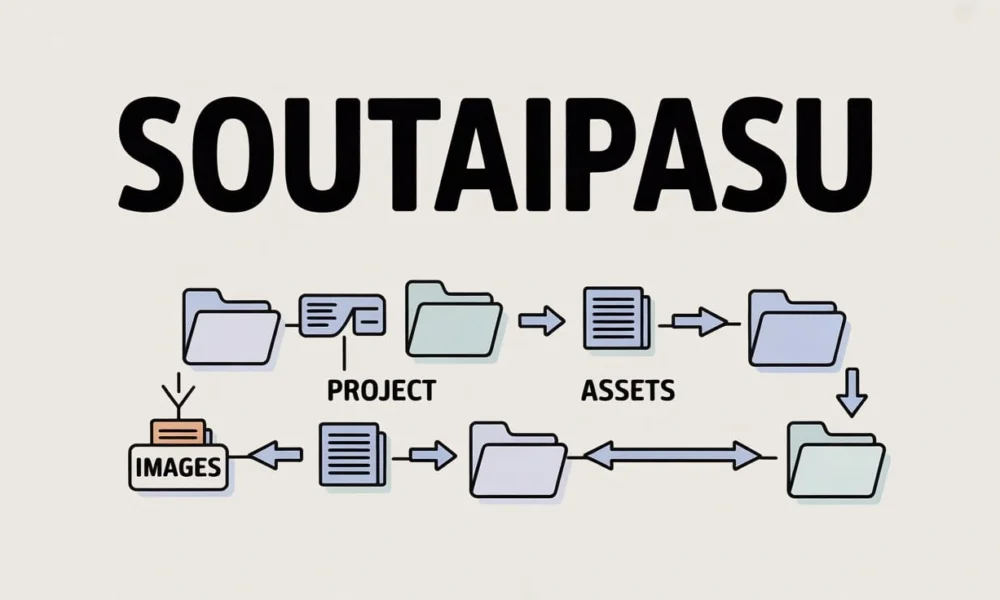
  • soutaipasu Meaning, Uses, and Practical Examples

    soutaipasu Meaning, Uses, and Practical Examples

    The term soutaipasu has gained attention across technical discussions, educational platforms, and online communities. Many people searching for this word want a clear explanation that goes beyond a short definition. They want to know what it means, where it is used, why it matters, and how it applies in real situations.

    This guide is written to answer those questions in depth. Whether you encountered the term while learning programming, browsing Japanese technical content, or exploring modern digital language, this article breaks it down in a clear, practical, and beginner-friendly way. By the end, you’ll understand the concept, its benefits, its limitations, and how it’s applied in everyday scenarios.

    What Does soutaipasu Mean?

    At its core, soutaipasu is a Japanese term that translates to “relative path.” It describes a way of pointing to a file or location based on the current position rather than starting from a fixed root location.

    In simple terms, instead of saying exactly where something is from the beginning, it says how to reach it from where you are now. This approach is widely used in computing, especially in file systems, web development, and software projects.

    The opposite concept is an absolute path, which always starts from a fixed root location. The relative approach is more flexible and adaptable, which explains why it is so commonly used.

    How soutaipasu Works in Practice

    To understand soutaipasu, imagine navigating folders on your computer.

    If you are already inside a project folder and want to access an image inside a subfolder, you don’t need to describe the entire path from the drive root. You simply describe how to reach it from your current location.

    This relative approach allows systems to locate files efficiently without depending on fixed directory structures. If the entire project moves to a new location, the internal connections still work as long as the relative structure remains unchanged.

    This is one of the main reasons developers and system designers rely heavily on this method.

    Why soutaipasu Is Important

    The importance of soutaipasu goes beyond convenience. It directly affects how reliable, flexible, and maintainable digital projects are.

    Key Benefits

    • Portability: Projects can be moved between environments without breaking internal links.

    • Flexibility: Files remain connected even if the root location changes.

    • Cleaner structure: Paths are shorter and easier to understand.

    • Team collaboration: Different users can work on the same project without path conflicts.

    Because of these advantages, this approach is taught early in technical education and used widely in professional environments.

    Common Challenges and Limitations

    Despite its usefulness, soutaipasu is not without challenges.

    One common issue is losing track of the current location. If a project becomes deeply nested, relative references can become confusing. A small mistake in directory navigation may cause files not to load correctly.

    Another challenge appears when projects are poorly organized. Relative references depend on a logical structure, so messy folder hierarchies can reduce their effectiveness.

    Finally, beginners often confuse relative and absolute references, leading to errors. This is why understanding the concept thoroughly is essential before applying it in real projects.

    Real-World Examples of soutaipasu

    Web Development

    In website projects, developers often link stylesheets, scripts, and images using soutaipasu. This ensures the site works the same way on a local computer, a test server, or a live hosting environment.

    Software Projects

    Many programming languages use relative references to load configuration files, libraries, or assets. This allows the same codebase to run on different machines without modification.

    Education and Training

    Technical courses frequently introduce this concept early because it helps learners understand how systems locate and organize data. Mastering it builds a strong foundation for more advanced topics.

    Step-by-Step Guide to Using soutaipasu

    Step 1: Identify Your Current Location

    Before creating a relative reference, know exactly where you are within the folder structure. File explorers and development tools make this easier.

    Step 2: Understand Directory Navigation

    Learn how to move within folders logically. Going deeper or moving up one level is a fundamental skill when working with relative paths.

    Step 3: Keep Folder Structures Organized

    A clean structure makes relative references intuitive and reduces errors.

    Step 4: Test Frequently

    Check that files load correctly after changes. Early testing prevents small mistakes from becoming larger problems.

    How soutaipasu Is Used Beyond Technology

    While its main usage is technical, soutaipasu has also appeared in broader digital conversations. Some people use it metaphorically to describe situations where outcomes depend on context rather than fixed rules.

    This extended usage reflects how technical language often influences modern communication. However, its most reliable and widely accepted meaning remains rooted in computing and system navigation.

    Common Misunderstandings

    Many people assume soutaipasu refers to a product, service, or platform. It does not. It is a concept, not a brand.

    Others believe it is only relevant to advanced professionals. In reality, even beginners benefit from understanding it early, as it simplifies learning and reduces confusion later.

    Clarifying these misunderstandings helps users apply the concept correctly and confidently.

    Frequently Asked Questions

    What is soutaipasu in simple terms?

    It means referencing a file or location based on your current position rather than a fixed starting point.

    Is soutaipasu only used in programming?

    It is mainly used in technical fields, but the idea can be applied conceptually in other areas.

    Why do developers prefer relative paths?

    They make projects easier to move, share, and maintain without breaking internal links.

    Can beginners learn soutaipasu easily?

    Yes. With basic folder navigation knowledge, anyone can understand and use it effectively.

    What happens if the folder structure changes?

    As long as the relative structure stays the same, references will continue to work correctly.

    Conclusion

    Understanding soutaipasu is a valuable skill for anyone working with digital systems. It promotes flexibility, clarity, and efficiency across projects of all sizes. From websites and software applications to educational environments, its role is both practical and foundational.

    By learning how relative references work, recognizing their benefits, and avoiding common mistakes, users can build more reliable and adaptable systems. In a world where digital environments constantly change, this concept remains a powerful and relevant tool.

  • Gayfirir Explained Meaning and Cultural Rise 2026

    Gayfirir Explained Meaning and Cultural Rise 2026

    Language evolves quickly in digital spaces, and new words appear as communities search for better ways to express identity and creativity. One emerging term attracting curiosity online is gayfirir, and many people want clarity about what it represents and why it matters today.

    In online discussions and creative circles, gayfirir often appears in conversations about individuality and expression. This guide explores meaning, origins, cultural relevance, benefits, and challenges so readers can understand how the term fits into modern culture.

    Rather than belonging to one rigid definition, the word reflects how language grows organically within communities. Understanding how gayfirir is used helps readers interpret emerging cultural language with more confidence.

    Understanding the Meaning of Gayfirir

    At its core, gayfirir functions as an evolving expression rather than a formally defined dictionary word. It has gained attention because people use it in flexible ways connected to creativity, identity, and online self-representation.

    Many individuals describe gayfirir as symbolizing authenticity or uniqueness, while others see it as a creative or digital identity marker. The lack of strict definition is part of its appeal because individuals can adapt its meaning to personal experiences.

    In modern online culture, words often begin as inside references within small communities before spreading outward. Over time, meanings expand as more people interact with and reinterpret new expressions.

    Origins and Evolution of the Term

    Digital Communities as the Starting Point

    The term appears to have developed inside online forums and social platforms where creative language often thrives. Communities frequently invent new expressions to describe shared experiences or emerging identities, and gayfirir is an example of this process.

    In these environments, language moves quickly. A phrase or word may begin playfully before gaining broader meaning as more people adopt it.

    Growth Through Online Culture

    As social platforms connect people globally, words spread rapidly. Influencers and creators sometimes introduce unusual terms that audiences later adopt when they resonate emotionally or socially, helping gayfirir reach wider digital communities.

    The expansion of digital culture allows niche expressions to travel beyond their origins as people reinterpret them for creative or social purposes.

    Cultural and Social Significance

    Expression Beyond Traditional Labels

    Interest in gayfirir has grown partly because many people search for identity language that feels flexible. Traditional labels sometimes feel restrictive, while newer expressions allow individuals to describe themselves more openly.

    For some, the term symbolizes individuality or creative freedom. For others, it represents independence from rigid categorization, making it appealing within communities that value personal storytelling.

    Community and Belonging

    Language often creates shared spaces. When communities adopt common expressions, members may feel connected even without physical interaction. Online groups sometimes use gayfirir as part of their shared vocabulary.

    This shared language supports conversations around creativity, identity, and belonging while encouraging people to feel seen and understood.

    Benefits of Embracing the Concept

    Encourages Authentic Self-Expression

    Flexible identity language allows individuals to represent themselves honestly. Many creators find that gayfirir helps describe experiences that traditional categories overlook, encouraging creative exploration and confidence.

    Supports Creative Innovation

    Ambiguous language sparks imagination. Because meanings remain open, creators reinterpret ideas across digital art, music, fashion, and storytelling. For many artists, gayfirir becomes a symbol of creative freedom rather than a strict label.

    Builds Inclusive Connections

    Open language can help communities feel welcoming to diverse experiences. Flexible interpretations encourage broader participation and collaboration between groups exploring identity and artistic expression.

    Challenges and Misconceptions

    Lack of Clear Definition

    New terms often confuse first-time audiences. Without an agreed meaning, conversations can become unclear. Discussions about gayfirir sometimes show how different interpretations coexist at the same time.

    Risk of Misinterpretation

    Parts of the word may lead some individuals to assume meanings not intended by others. As gayfirir spreads, open dialogue becomes important to reduce misunderstanding.

    Resistance to Language Change

    Language change can meet resistance in traditional environments where established vocabulary dominates. However, many once unfamiliar expressions eventually become common as society adapts.

    Real-World Uses and Examples

    Creative Projects and Art

    Artists sometimes incorporate emerging identity language into projects exploring themes of belonging, individuality, and emotional expression. Such usage shows how creative communities reinterpret evolving cultural vocabulary.

    Digital Identity and Branding

    Content creators often search for distinctive names that stand out online. Because gayfirir remains relatively unique, some creators use it for usernames, creative projects, or branding identities.

    Community Dialogue

    Discussion groups exploring social expression sometimes adopt flexible language to encourage open conversation. Words without rigid meanings allow participants to describe personal experiences without pressure to fit strict labels.

    How to Approach the Concept Step by Step

    If you encounter gayfirir and want to understand or apply it thoughtfully, consider this simple process:

    1. Observe how communities use the term and identify common themes.

    2. Reflect on whether the idea connects with your experiences or creativity.

    3. Apply the term in contexts where it adds artistic or personal meaning.

    4. Engage in respectful discussion to understand different interpretations.

    This approach supports learning while allowing personal meaning to develop.

    Frequently Asked Questions

    What does gayfirir generally represent?

    It is commonly interpreted as an evolving expression connected to individuality, creativity, and flexible identity rather than a strictly defined term.

    Where did the term originate?

    Most discussions trace its emergence to online communities where social interaction and creative exchange frequently produce new language.

    Is the term limited to one identity group?

    No. People across creative and social communities use it in different ways, often unrelated to specific identity categories.

    Can creators or brands use the term?

    Yes. Unique expressions can help creators build memorable digital identities when applied thoughtfully.

    Will the term become mainstream?

    Its future depends on continued adoption and community use. Some digital expressions fade while others grow into common vocabulary.

    Practical Tips for Understanding Emerging Language

    Staying informed about evolving language trends can help individuals navigate digital culture more effectively.

    • Follow creator communities and digital discussions to observe how new expressions develop.

    • Engage respectfully in conversations about identity and expression to understand diverse perspectives.

    Understanding language change allows readers to interpret future cultural terms with greater confidence.

    Conclusion

    Gayfirir reflects how language continues evolving alongside digital communities and cultural expression. While the term does not yet hold a single universal definition, its growing visibility shows how people seek flexible ways to describe identity, creativity, and belonging.

    Whether encountered in art, online discussions, or personal branding, the concept highlights language’s ability to adapt to modern experiences. Observing how expressions like gayfirir develop offers insight into how society communicates identity and creativity in an increasingly connected world.