If you’re searching for crocolini, you’re likely looking for a unique pasta variety that’s gaining attention among home cooks and food enthusiasts. With growing interest in artisanal pasta shapes and gourmet ingredients, this specialty pasta has started appearing in specialty food stores, online markets, and restaurant menus.
But what exactly is it? How is it different from traditional pasta shapes? And how can you cook it perfectly at home?
In this detailed guide, you’ll learn everything about crocolini — from its definition and nutritional benefits to cooking techniques, recipe ideas, and common questions. Whether you’re a home cook or a food lover exploring new ingredients, this article will give you practical, trustworthy, and experience-based insights.
What Is Crocolini?
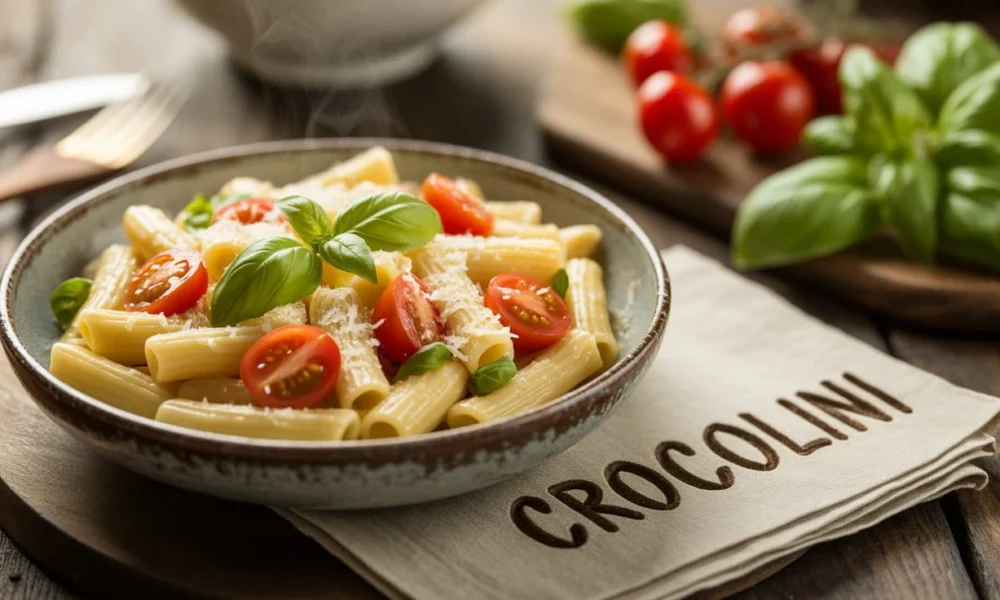
Crocolini is a specialty pasta known for its slightly curved, ridged structure designed to hold sauces exceptionally well. The name suggests a playful and distinctive identity, often associated with artisanal or gourmet pasta lines.
Typically made from durum wheat semolina, it may also be available in whole wheat, gluten-free, or vegetable-infused variations. Its texture and shape make it suitable for both creamy and tomato-based sauces.
Characteristics of This Pasta Shape
- Firm texture when cooked al dente
- Grooved surface for sauce absorption
- Medium length and slightly curved shape
- Suitable for baked or stovetop dishes
Because of its surface design, this pasta delivers flavor in every bite.
Why Crocolini Is Becoming Popular
Consumers today are increasingly exploring beyond traditional spaghetti and penne. The popularity of crocolini reflects broader food trends:
- Growing demand for artisanal pasta
- Interest in unique shapes for plating presentation
- Preference for pasta that holds sauce well
- Rise of home cooking experimentation
Food bloggers and chefs highlight specialty shapes like this one because they elevate simple recipes into restaurant-style dishes.
Nutritional Profile and Benefits
Like most semolina-based pasta, crocolini offers balanced macronutrients and versatility.
1. Source of Complex Carbohydrates
This pasta provides sustained energy due to its complex carbohydrate content. It’s ideal for active individuals needing long-lasting fuel.
2. Moderate Protein Content
Durum wheat pasta contains plant-based protein, supporting muscle maintenance when paired with vegetables or lean proteins.
3. Available in Whole Grain Options
Whole wheat versions offer additional fiber, which supports digestion and promotes satiety.
4. Versatility in Balanced Meals
It pairs easily with vegetables, legumes, seafood, or lean meats, making it adaptable for various dietary preferences.
How to Cook Crocolini Perfectly
Cooking crocolini properly ensures optimal texture and flavor. Follow these steps for best results.
Step 1: Boil Water Generously
Use a large pot with plenty of water. Add salt once the water reaches a rolling boil.
Step 2: Add the Pasta and Stir
Add crocolini and stir immediately to prevent sticking.
Step 3: Cook Until Al Dente
Cook according to package instructions, usually 8–11 minutes. Taste-test near the end for firmness.
Step 4: Reserve Pasta Water
Before draining, reserve a cup of pasta water. The starch helps emulsify sauces.
Step 5: Toss With Sauce Immediately
Combine the drained pasta with sauce while hot to allow flavors to absorb properly.
Best Sauces for Crocolini
Thanks to its ridged texture, crocolini works well with thick and rich sauces.
Cream-Based Sauces
Alfredo or mushroom cream sauce clings beautifully to the grooves.
Tomato and Meat Sauces
Chunky marinara or slow-cooked ragù enhances depth and richness.
Pesto and Herb Sauces
The textured surface captures fresh basil pesto evenly.
Baked Pasta Dishes
This shape maintains structure during baking, making it ideal for casseroles.
Easy Recipe Idea
Here’s a simple garlic tomato crocolini dish you can prepare in under 30 minutes.
Ingredients
- 250g crocolini
- 2 tablespoons olive oil
- 3 cloves garlic, minced
- 1 cup cherry tomatoes, halved
- Salt and pepper to taste
- Fresh basil
- Grated parmesan
Instructions
- Cook the pasta until al dente.
- Heat olive oil in a pan and sauté garlic until fragrant.
- Add cherry tomatoes and cook until softened.
- Toss the drained crocolini into the pan.
- Add a splash of reserved pasta water to combine.
- Finish with basil and parmesan before serving.
This recipe highlights how well the ridges absorb simple flavors.
Challenges When Cooking This Pasta
Although easy to prepare, there are common mistakes to avoid.
Overcooking
Because of its ridges, crocolini can lose structure if overboiled. Always aim for al dente.
Insufficient Water
Using too little water can cause uneven cooking and sticking.
Skipping Salt
Properly salted water enhances flavor significantly.
Crocolini in Modern Cuisine
Chefs increasingly use specialty pasta shapes for visual appeal. Crocolini’s distinctive form makes it suitable for plated dishes in upscale restaurants.
It also appears in meal kits and gourmet pasta collections. Its versatility allows it to work in vegetarian, seafood, or protein-rich meals.
Storing and Shelf Life
Dry crocolini typically lasts up to two years when stored in a cool, dry place. Fresh versions should be refrigerated and consumed within a few days.
Cooked pasta can be stored in an airtight container for up to three days. Reheat gently with added sauce or a splash of water to restore moisture.
Frequently Asked Questions
What type of pasta is crocolini?
Crocolini is a ridged, medium-length pasta designed to hold sauces effectively.
Is crocolini the same as penne?
No, crocolini differs in shape and curvature. It has a more textured surface and distinct design.
Can crocolini be used in baked dishes?
Yes, crocolini works very well in baked pasta recipes because it maintains structure.
Is crocolini healthy?
When consumed in moderation as part of a balanced diet, crocolini provides carbohydrates and plant-based protein.
How long does crocolini take to cook?
Typically between 8–11 minutes, depending on thickness and brand.
Is there gluten-free crocolini?
Some brands may offer gluten-free versions made from rice, corn, or legume flour.
Expert Cooking Tips
From hands-on cooking experience, here are a few practical recommendations:
- Always reserve pasta water to improve sauce texture.
- Finish cooking crocolini directly in the sauce for enhanced flavor.
- Pair with bold ingredients like sun-dried tomatoes or roasted vegetables for deeper taste.
- Avoid rinsing after draining, as it removes starch needed for sauce binding.
These small adjustments significantly improve results.
Final Thoughts
Crocolini offers a fresh take on traditional pasta shapes. Its ridged surface, versatility, and ability to capture sauce make it an excellent choice for both simple weeknight meals and gourmet dishes.
Whether you prefer creamy sauces, hearty tomato ragù, or light herb-based recipes, this pasta adapts beautifully. With proper cooking techniques and thoughtful ingredient pairings, it can easily become a staple in your kitchen.
If you’re exploring new pasta options, crocolini is worth trying for its texture, flavor retention, and culinary flexibility.