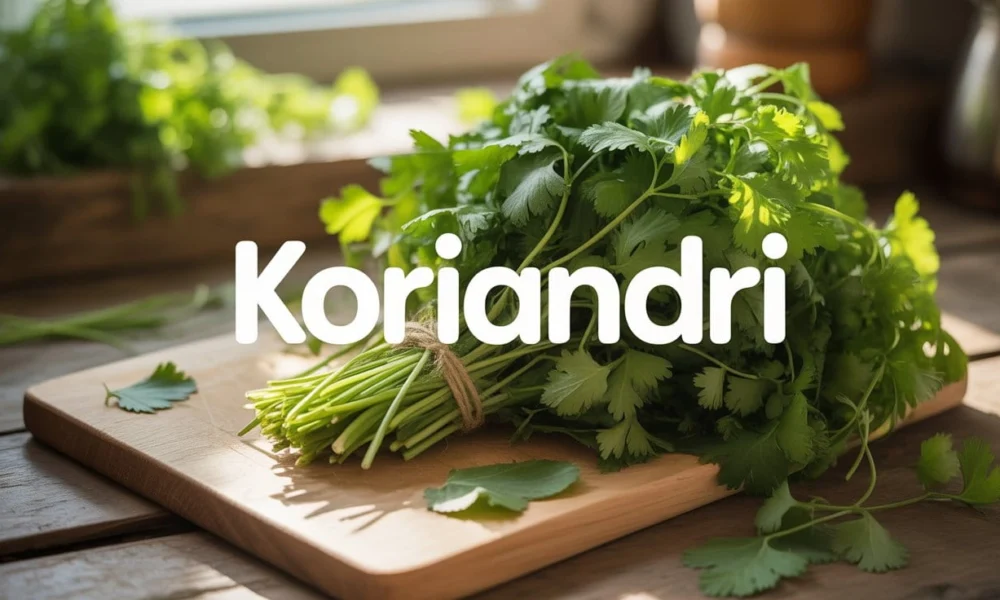
Interest in natural foods, home gardening, and traditional herbs has expanded rapidly in recent years, and one ingredient gaining renewed attention is koriandri. From modern kitchens to wellness discussions and home gardens, people are rediscovering how useful and versatile this herb can be.
Online search trends show that most readers want practical answers. They want to know what it is, how to use it, how to grow it, and whether it truly offers health benefits. This guide provides clear, research-informed information in a practical format. Whether you cook at home, enjoy gardening, or want to improve your diet, this article helps explain how the herb fits easily into everyday life.
We will look at its definition, common uses, benefits, challenges, and practical tips that you can apply right away.
What Is Koriandri
In many parts of the world, koriandri refers to coriander, a widely used herb whose leaves and seeds are valued in global cuisine. It belongs to the Apiaceae plant family, which also includes parsley, carrots, and celery.
Both parts of the plant are useful. Fresh leaves are commonly added to soups, curries, salads, and sauces, while dried seeds are used as a spice in blends, pickles, and roasted foods.
The plant grows quickly and adapts well to garden beds and containers, making it ideal for beginner gardeners. Historically, it has been used not only in cooking but also in traditional wellness practices across Asia, Europe, and the Middle East.
Its renewed popularity today is linked to interest in natural ingredients, sustainable cooking, and home food production.
Culinary Importance in Modern Kitchens
Global food trends increasingly highlight fresh herbs as essential flavor enhancers. Koriandri offers a citrusy, slightly peppery taste that brightens many dishes.
It frequently appears in:
- Asian soups and curries
- Middle Eastern salads and sauces
- Mexican rice dishes and salsas
- Mediterranean marinades and stews
Chefs often recommend adding fresh leaves at the end of cooking to maintain aroma and nutrients, while seeds are roasted or ground for deeper flavor.
Home cooks appreciate how a small amount can transform simple meals without complicated seasoning methods.
Health and Nutritional Benefits
Nutritional research and culinary traditions both suggest that koriandri can support a healthy diet when consumed regularly.
Rich Source of Nutrients
Leaves contain vitamins A, C, and K along with antioxidants that help support immune health.
Supports Digestion
Traditional cooking practices frequently use coriander seeds to ease digestive discomfort, and some studies suggest digestive-support properties.
Blood Sugar and Heart Health Potential
Preliminary research indicates coriander seeds may help support balanced blood sugar and heart health when combined with healthy habits.
Natural Detox Support
Some nutrition experts note that antioxidant content may assist natural detox processes in the body.
Herbs contribute to wellness but should not replace medical treatment. Professional medical advice remains important when needed.
Challenges and Common Issues
Although popular, some users encounter difficulties when cooking with or growing the herb.
Short Storage Life
Fresh leaves can spoil quickly. Proper refrigeration and moisture control help extend freshness.
Bolting in Warm Conditions
The plant tends to flower rapidly in hot weather, which reduces leaf quality. Planting during cooler seasons helps maintain production.
Flavor Sensitivity
A small percentage of people experience a soapy taste due to genetic differences. In those cases, seeds or alternative herbs may work better.
Recognizing these issues helps users avoid disappointment and achieve better results.
Real-World Everyday Uses
Around the world, koriandri plays different roles depending on regional cuisine.
South Asian dishes often include fresh leaves in lentils and curries. Middle Eastern cooking uses it in herb-based salads and sauces. Latin American recipes include it in salsa and grilled meat preparations.
Urban gardeners frequently grow the herb on balconies and windowsills because it requires little space and grows quickly. Restaurants also rely on it due to consistent customer demand for fresh flavors.
These examples show how adaptable and widely appreciated the herb has become.
How to Grow at Home
Growing koriandri at home is simple and rewarding, even for beginners.
Step 1 Choose Proper Light Conditions
Select an area with moderate to full sunlight. In hot climates, light afternoon shade prevents early flowering.
Step 2 Prepare Well-Draining Soil
Loose soil with good drainage supports healthy roots. Adding compost improves growth quality.
Step 3 Plant Seeds Directly
Seeds should be sown directly in soil since transplanting can damage roots. Leave enough space between plants.
Step 4 Water Carefully
Keep soil moist without overwatering. Excess water can harm roots.
Step 5 Harvest Regularly
Harvest leaves once plants grow tall enough. Frequent cutting encourages continued production.
Fresh herbs can usually be harvested within a few weeks of planting, making it suitable for beginner gardeners.
Useful Tools and Practical Tips
Simple tools and habits can improve both cooking and gardening results.
Kitchen scissors or herb cutters simplify harvesting. Small containers or recycled pots work well for balcony gardening. Organic compost improves flavor and plant health.
To store leaves longer, keep them in containers lined with paper towels in the refrigerator. Another method is freezing chopped herbs in oil or water using ice cube trays for later use.
Many home cooks also photograph homegrown herbs for recipe blogs or social media, encouraging others to try growing their own ingredients.
Market Trends and Growing Popularity
Recent food and lifestyle patterns show growing interest in organic cooking, urban gardening, and plant-based diets. Herbs like koriandri naturally fit into these movements.
Urban farming communities encourage home-grown produce to reduce transportation impact. Restaurants emphasize fresh herbs to appeal to health-conscious diners.
Content creators increasingly publish tutorials showing how to grow herbs at home, helping people reconnect with natural food sources. These patterns suggest continuing long-term popularity.
Experience and Expert Perspective
Professional chefs, nutritionists, and horticulture specialists consistently stress the importance of freshness when using herbs. Personal gardening experience also shows that growing herbs at home improves flavor while lowering grocery expenses.
Experienced cooks recommend adding fresh leaves just before serving for maximum aroma. Gardeners often suggest planting seeds every few weeks to ensure a steady supply.
Guidance from agricultural education programs and culinary training institutions supports these practices, reinforcing trust in these methods.
Combining professional insight with personal experimentation leads to reliable success.
Frequently Asked Questions
What is koriandri mainly used for?
It is used in cooking to flavor soups, curries, salads, sauces, and spice blends, and it also appears in traditional wellness practices.
Is it easy to grow at home?
Yes, it grows well in pots or gardens with moderate sunlight and consistent watering.
Does cooking reduce nutritional value?
Some nutrients decrease with heat, so adding fresh leaves near the end of cooking preserves more benefits.
Why do some people dislike the taste?
Genetic differences can make the leaves taste soapy to some individuals, though the seeds are widely enjoyed.
How quickly can it be harvested?
Leaves are typically ready within three to four weeks under good growing conditions.
Final Thoughts
Interest in natural cooking, home gardening, and healthier eating continues to expand worldwide, making koriandri an increasingly valuable ingredient in modern kitchens. Its flexibility, culinary usefulness, and potential wellness contributions explain its lasting popularity.
Learning how to grow, store, and cook with this herb allows anyone to improve meals naturally while enjoying the satisfaction of home-grown ingredients. Whether experimenting with recipes or starting a small herb garden, incorporating koriandri into daily cooking can be a rewarding and practical step toward fresher flavors.
By combining practical knowledge, professional guidance, and personal experience, anyone can successfully use this versatile herb in everyday life.
Leave a Reply