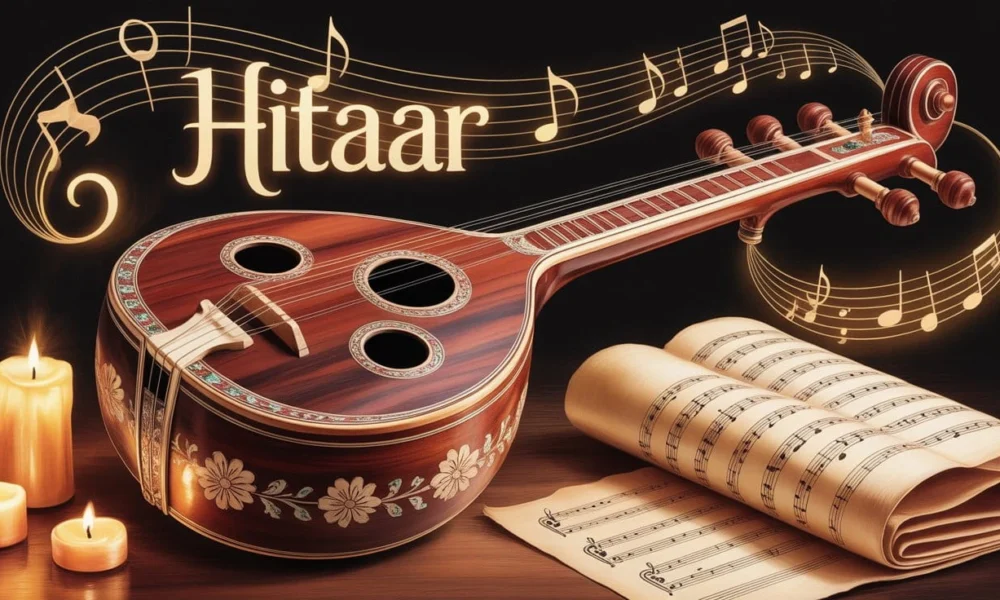
The hitaar is a traditional, handcrafted string instrument that has been cherished for generations. Known for its rich and resonant sound, it is often made from high-quality wood and carefully tuned to create melodies that enhance storytelling, ceremonies, and cultural celebrations. Whether used in folk performances or passed down as a family heirloom, the instrument represents more than music—it embodies heritage, creativity, and artistic expression.
In today’s world, the interest in traditional instruments like this one is growing. Musicians, cultural enthusiasts, and even digital artists are exploring its sounds, craftsmanship, and symbolic meaning. Consequently, this guide provides a complete overview, including its definition, benefits, challenges, real-world applications, and practical insights for musicians and creators.
What Is a Hitaar?
At its core, the hitaar is a stringed musical instrument, handcrafted primarily from wood. Typically, it features multiple strings that produce warm, deep, and resonant tones. The instrument’s design may vary slightly depending on regional traditions, but its core purpose remains the same: to create melodious music that accompanies storytelling and cultural festivities.
In addition to its musical qualities, the hitaar carries cultural significance. Historically, it has been used in celebrations, ritual performances, and folk storytelling. Its distinctive sound evokes nostalgia, communal bonding, and emotional expression. Therefore, it is considered both a musical and cultural treasure.
Origins and Craftsmanship of the Hitaar
Historical Background
The hitaar traces its roots back centuries, evolving alongside regional music traditions. Traditionally, it was handcrafted by skilled artisans using locally sourced wood. Each instrument is unique, reflecting the artisan’s creativity, precision, and understanding of acoustics.
Moreover, the hitaar has always played a central role in cultural storytelling. Musicians used its tones to narrate folk tales, myths, and historical events, making it an integral part of social gatherings and community celebrations.
Craftsmanship and Design
Creating the hitaar requires patience, skill, and artistry. The body is usually carved from resonant wood, and the strings are carefully positioned to achieve optimal tension and tonal quality. Additionally, decorative elements often include traditional carvings, inlays, or painted motifs.
Importantly, the sound quality depends on the type of wood, string material, and precision of craftsmanship. As a result, this attention to detail gives the instrument its signature warm and resonant sound, distinguishing it from modern string instruments.
Why It Is Important Today
Even in modern music and performance contexts, the hitaar remains relevant for several reasons:
Cultural Preservation
First, the hitaar connects current generations with their cultural roots. By playing or displaying this instrument, people honor centuries-old traditions and maintain the legacy of storytelling through music.
Emotional and Artistic Expression
Its unique tones allow musicians to convey deep emotion, whether in solo performances or ensemble settings. Additionally, its versatility lets it accompany vocals, dance, or theatrical performances.
Modern Music and Creativity
Interestingly, contemporary artists are integrating the hitaar into fusion music, combining traditional sounds with modern instruments. Consequently, this creates new auditory experiences while preserving cultural authenticity.
Benefits of Learning or Owning a Hitaar
Enhances Musical Skills
Learning to play the hitaar develops fine motor skills, auditory perception, and a deeper understanding of rhythm and melody. Over time, musicians can create intricate compositions that reflect both tradition and innovation.
Supports Cultural Connection
Owning one fosters a tangible connection with heritage. This instrument serves as a daily reminder of cultural identity, history, and artistic expression.
Therapeutic and Emotional Value
The warm resonance can have a calming effect. Many practitioners use it in meditative or ceremonial settings to enhance focus, mindfulness, and emotional well-being.
Challenges Associated With the Hitaar
Despite its beauty and significance, the instrument comes with certain challenges:
Limited Availability
Since the hitaar is handcrafted, finding a high-quality instrument can be difficult. Mass-produced versions rarely replicate the authentic resonance and craftsmanship of traditional instruments.
Learning Curve
Playing it requires patience and consistent practice. Beginners may struggle with string tuning, finger positioning, or producing clear tones. However, with dedication, mastery is achievable.
Maintenance and Care
Wooden instruments require careful maintenance. Exposure to moisture, heat, or improper handling can affect sound quality and durability. Therefore, proper care is essential to preserve its rich tones.
How to Play the Hitaar: Step-by-Step Guidance
For beginners, the following steps can help:
Step 1: Understand the Structure
Familiarize yourself with the number of strings, their arrangement, and the body of the instrument. Knowing its structure is essential for proper handling and tuning.
Step 2: Tune the Strings
Use traditional methods or modern tuners to achieve the correct tension. Precise tuning ensures resonant, balanced sound during play.
Step 3: Learn Basic Notes and Chords
Start with simple melodies and chord progressions. Focus on finger positioning and gentle plucking to produce clear notes.
Step 4: Practice Rhythm and Dynamics
Once comfortable, experiment with rhythm, dynamics, and tempo. This allows for expressive and engaging performances.
Step 5: Explore Traditional and Modern Pieces
Gradually incorporate folk tunes, storytelling music, or contemporary compositions. Combining tradition with innovation keeps the practice exciting.
Real-World Examples
Cultural Celebrations
In villages and cultural gatherings, the hitaar is often played during festivals, weddings, and storytelling sessions. Its warm tones enhance communal experiences and create memorable moments.
Modern Music Projects
Contemporary musicians are blending the hitaar with instruments like the guitar, piano, or percussion. This fusion creates innovative music while preserving the instrument’s cultural identity.
Educational Settings
Some schools and cultural institutions use the hitaar to teach students about traditional music, rhythm, and craftsmanship. Students gain both technical skills and historical insight.
Frequently Asked Questions
What is a hitaar?
A hitaar is a traditional, handcrafted string instrument, known for its rich, resonant sounds, often used in storytelling and cultural celebrations.
How is it made?
It is handcrafted from wood, with carefully arranged strings and sometimes decorative carvings. The quality of wood and craftsmanship affects its sound.
Can beginners learn to play it?
Yes, though it requires patience and regular practice. Beginners should start with basic notes, then progress to chords and melodies.
Why is it important culturally?
It preserves musical heritage, supports storytelling traditions, and connects people with their cultural roots.
How is it used today?
It is played in folk music, cultural ceremonies, modern fusion music, and educational programs to teach musical and cultural traditions.
Final Thoughts
The hitaar is more than just a musical instrument—it is a bridge between past and present, tradition and innovation. Its handcrafted design, resonant tones, and cultural significance make it an enduring symbol of artistic expression. Whether used in storytelling, festivals, or modern music projects, the instrument continues to inspire musicians and audiences alike.
By learning, playing, or even appreciating it, people honor heritage, cultivate creativity, and experience the timeless beauty of traditional sound.
Leave a Reply