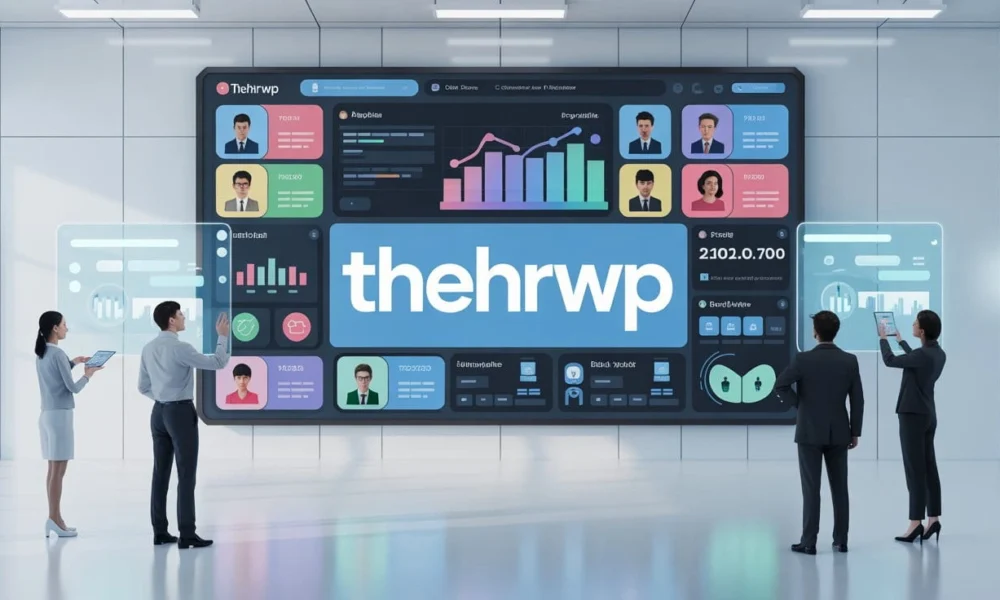
Digital transformation has reshaped how organizations manage employees, data, and workplace operations. Traditional human resource systems often rely on spreadsheets, manual records, and multiple disconnected tools. These outdated processes can slow productivity and make it difficult for HR teams to manage employee information efficiently. In response to these challenges, modern workforce platforms have emerged. One concept gaining attention online is thehrwp, which is often discussed in connection with digital HR systems and workforce management technology.
Many organizations search for information about this term because it relates to modern HR platforms designed to streamline recruitment, payroll, performance management, and employee engagement. Instead of using separate tools for each HR function, a unified platform allows companies to manage everything from a single system.
Understanding how thehrwp works can help organizations improve productivity, reduce administrative workload, and build a more efficient workforce management strategy. This guide explains the meaning of thehrwp, its key features, advantages, challenges, and real-world use cases.
Understanding thehrwp in the Modern Workplace
The term thehrwp is commonly associated with digital workforce management platforms designed to centralize HR operations. These systems allow organizations to manage employee information, hiring processes, payroll tasks, and performance tracking within one unified environment.
Instead of relying on multiple software solutions, thehrwp platforms integrate HR functions into a single system. This approach reduces complexity and improves coordination between departments.
Cloud technology plays a major role in these platforms. Because the system operates online, HR teams can access workforce data securely from different locations. Managers and employees can also interact with the system through self-service portals.
For example, employees may update personal information, submit leave requests, or review performance feedback directly through the platform. At the same time, HR professionals can monitor workforce trends, analyze productivity data, and generate reports.
By combining these capabilities, thehrwp helps organizations manage their workforce more effectively.
Core Functions of thehrwp Platforms
Modern workforce platforms inspired by the thehrwp concept typically include several integrated modules. These modules support the entire employee lifecycle from recruitment to performance evaluation.
Recruitment and Hiring
Recruitment tools allow HR teams to create job listings, track applications, and manage candidate evaluations. Some systems also provide automated resume screening, which helps recruiters identify suitable candidates faster.
Onboarding and Employee Setup
After hiring a candidate, onboarding features guide new employees through the initial setup process. Digital forms, training schedules, and policy documents can all be managed within the system.
This organized approach ensures that new hires start their roles with clear instructions and the resources they need.
Payroll and Compensation Management
Payroll management is another essential component. The platform calculates salaries, deductions, and bonuses while maintaining accurate records of payments.
Automated payroll reduces the risk of human error and ensures employees are paid correctly and on time.
Performance and Productivity Tracking
Managers can set goals, review employee progress, and conduct evaluations through the platform. Performance dashboards provide insights into productivity levels across teams and departments.
Regular feedback tools encourage continuous improvement and help employees stay aligned with organizational goals.
Workforce Analytics
Data analytics tools transform HR data into useful insights. Reports may show hiring trends, employee retention rates, or productivity levels across different teams.
These insights help leaders make strategic decisions about hiring, training, and workforce development.
Key Benefits of thehrwp for Organizations
Adopting thehrwp platforms can bring several advantages to businesses seeking more efficient HR management.
Improved Efficiency and Reduced Manual Work
One of the most significant advantages is automation. Routine tasks such as attendance tracking, payroll calculations, and document management can be completed automatically.
This allows HR teams to focus on strategic planning instead of administrative work.
Centralized Workforce Data
All employee information is stored in a single database, making it easier to access and manage. HR professionals can quickly retrieve records, update information, and generate reports without searching through multiple systems.
Better Decision-Making
Thehrwp platforms often include analytics dashboards that display workforce data in real time. Managers can analyze patterns such as employee turnover, training needs, or recruitment performance.
These insights support informed decisions that strengthen the organization’s workforce strategy.
Enhanced Employee Experience
Employee self-service features allow staff members to manage their own information, request leave, and review payroll details.
This convenience improves transparency and creates a smoother experience for employees.
Scalability for Growing Companies
As businesses expand, workforce management becomes more complex. Cloud-based platforms based on thehrwp model can easily scale to support additional employees and departments.
Challenges Organizations May Face
Despite its advantages, implementing thehrwp platforms can present certain challenges.
Integration with Existing Systems
Many organizations already use accounting software, communication tools, and project management platforms. Integrating these systems with a new HR platform may require technical adjustments.
Training and User Adoption
Introducing a new system requires employees and managers to learn new workflows. Without proper training, some team members may struggle to adopt the platform effectively.
Data Security and Privacy
HR systems store sensitive information such as employee personal data and salary details. Organizations must ensure that strong security measures are in place to protect this information.
Data Migration Complexity
When switching from manual records or legacy software, transferring employee data into a new system can take time. Careful planning is necessary to maintain accuracy during the migration process.
Real-World Examples of thehrwp in Action
Organizations across various industries use platforms similar to thehrwp to improve workforce management.
Technology Startup Example
A small technology startup initially managed HR tasks through spreadsheets and email communication. As the company grew, these methods became inefficient.
After adopting a centralized HR platform, the company automated recruitment workflows and stored employee records in a single digital system. This reduced administrative work and allowed managers to focus on building their teams.
Manufacturing Company Example
A manufacturing company operating across multiple locations needed a better way to track employee attendance, payroll, and performance.
By implementing a workforce management platform, managers could monitor employee data from different facilities through one system. This improved coordination between departments and reduced reporting errors.
Remote Workforce Example
Companies with remote employees often rely on digital HR platforms to maintain communication and manage workforce activities.
Through thehrwp systems, remote workers can access documents, request leave, and receive performance feedback without visiting an office. This flexibility supports modern hybrid work environments.
How to Implement thehrwp in an Organization
Successful adoption of thehrwp platforms requires a structured implementation process.
Step 1: Identify HR Challenges
Organizations should begin by reviewing their current HR processes. Identifying inefficiencies helps determine which features are most important in a new system.
Step 2: Define System Requirements
Companies must decide which functions they need, such as recruitment tools, payroll automation, or performance management features.
Step 3: Select the Right Platform
Choosing a platform that supports future growth is essential. The system should integrate with existing business tools and provide strong security features.
Step 4: Prepare Data Migration
Before launching the platform, HR teams should organize employee records and ensure all information is accurate.
Step 5: Provide Training for Employees
Training sessions help employees understand how to use the system effectively. Clear instructions encourage adoption across the organization.
Step 6: Monitor and Improve
After implementation, organizations should regularly review system performance and adjust workflows when necessary.
Technologies Supporting thehrwp Platforms
Several modern technologies make platforms based on the thehrwp concept possible.
Cloud computing allows organizations to store workforce data securely while maintaining remote accessibility. Artificial intelligence helps analyze workforce trends and predict hiring needs.
Automation tools handle repetitive tasks such as payroll calculations and attendance tracking. Data analytics dashboards provide visual insights into workforce performance and employee engagement.
Together, these technologies create a powerful digital environment for managing human resources.
Frequently Asked Questions
What is thehrwp?
Thehrwp refers to a digital workforce management concept that centralizes HR functions such as recruitment, payroll, performance tracking, and employee data management.
How does thehrwp improve HR management?
It automates routine processes, organizes workforce data in one system, and provides insights that help organizations make better decisions.
Can small businesses use thehrwp platforms?
Yes. Many workforce management systems are designed to support organizations of all sizes and can scale as a company grows.
Does thehrwp support remote employees?
Yes. Because these systems operate through cloud technology, employees and managers can access HR tools from different locations.
Is thehrwp secure?
Most modern HR platforms include security features such as encryption, access control, and data protection measures to safeguard employee information.
Conclusion
Thehrwp represents a modern approach to workforce management that combines automation, centralized data, and advanced analytics. By integrating recruitment, payroll, employee management, and performance tracking into one system, organizations can operate more efficiently and make better strategic decisions.
Although implementing a new platform requires careful planning and training, the long-term benefits are significant. Businesses gain improved productivity, more accurate workforce data, and a better overall employee experience.
As organizations continue to adopt digital workplace strategies, platforms built around thehrwp concept will play an increasingly important role in shaping the future of human resource management.
Leave a Reply