Food
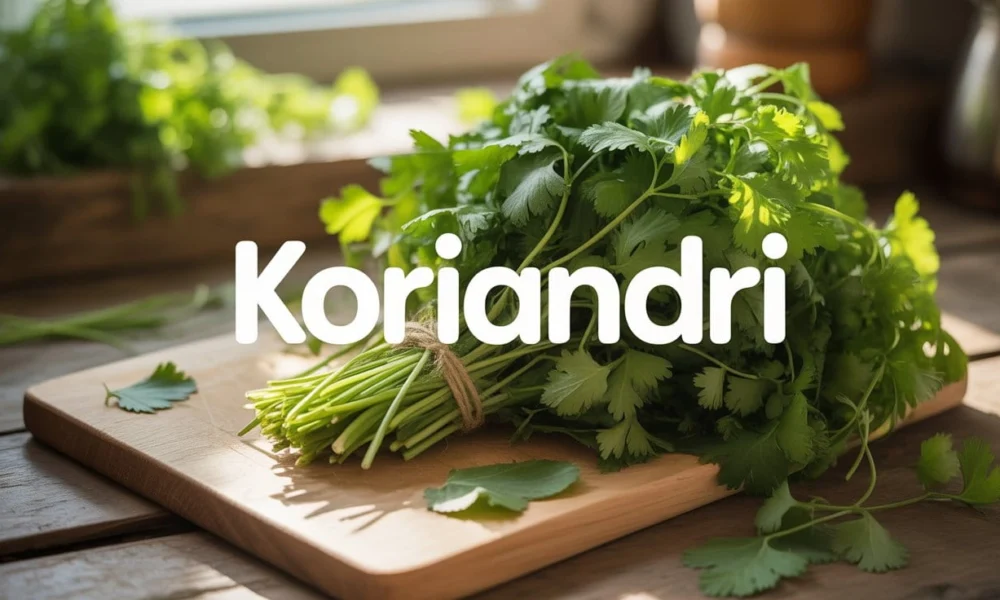
Koriandri Guide Benefits Uses and Growing Tips
Interest in natural foods, home gardening, and traditional herbs has expanded rapidly in recent years, and one ingredient gaining renewed attention is koriandri. From modern kitchens to wellness discussions and home gardens, people are rediscovering how useful and versatile this herb can be.
Online search trends show that most readers want practical answers. They want to know what it is, how to use it, how to grow it, and whether it truly offers health benefits. This guide provides clear, research-informed information in a practical format. Whether you cook at home, enjoy gardening, or want to improve your diet, this article helps explain how the herb fits easily into everyday life.
We will look at its definition, common uses, benefits, challenges, and practical tips that you can apply right away.
What Is Koriandri
In many parts of the world, koriandri refers to coriander, a widely used herb whose leaves and seeds are valued in global cuisine. It belongs to the Apiaceae plant family, which also includes parsley, carrots, and celery.
Both parts of the plant are useful. Fresh leaves are commonly added to soups, curries, salads, and sauces, while dried seeds are used as a spice in blends, pickles, and roasted foods.
The plant grows quickly and adapts well to garden beds and containers, making it ideal for beginner gardeners. Historically, it has been used not only in cooking but also in traditional wellness practices across Asia, Europe, and the Middle East.
Its renewed popularity today is linked to interest in natural ingredients, sustainable cooking, and home food production.
Culinary Importance in Modern Kitchens
Global food trends increasingly highlight fresh herbs as essential flavor enhancers. Koriandri offers a citrusy, slightly peppery taste that brightens many dishes.
It frequently appears in:
- Asian soups and curries
- Middle Eastern salads and sauces
- Mexican rice dishes and salsas
- Mediterranean marinades and stews
Chefs often recommend adding fresh leaves at the end of cooking to maintain aroma and nutrients, while seeds are roasted or ground for deeper flavor.
Home cooks appreciate how a small amount can transform simple meals without complicated seasoning methods.
Health and Nutritional Benefits
Nutritional research and culinary traditions both suggest that koriandri can support a healthy diet when consumed regularly.
Rich Source of Nutrients
Leaves contain vitamins A, C, and K along with antioxidants that help support immune health.
Supports Digestion
Traditional cooking practices frequently use coriander seeds to ease digestive discomfort, and some studies suggest digestive-support properties.
Blood Sugar and Heart Health Potential
Preliminary research indicates coriander seeds may help support balanced blood sugar and heart health when combined with healthy habits.
Natural Detox Support
Some nutrition experts note that antioxidant content may assist natural detox processes in the body.
Herbs contribute to wellness but should not replace medical treatment. Professional medical advice remains important when needed.
Challenges and Common Issues
Although popular, some users encounter difficulties when cooking with or growing the herb.
Short Storage Life
Fresh leaves can spoil quickly. Proper refrigeration and moisture control help extend freshness.
Bolting in Warm Conditions
The plant tends to flower rapidly in hot weather, which reduces leaf quality. Planting during cooler seasons helps maintain production.
Flavor Sensitivity
A small percentage of people experience a soapy taste due to genetic differences. In those cases, seeds or alternative herbs may work better.
Recognizing these issues helps users avoid disappointment and achieve better results.
Real-World Everyday Uses
Around the world, koriandri plays different roles depending on regional cuisine.
South Asian dishes often include fresh leaves in lentils and curries. Middle Eastern cooking uses it in herb-based salads and sauces. Latin American recipes include it in salsa and grilled meat preparations.
Urban gardeners frequently grow the herb on balconies and windowsills because it requires little space and grows quickly. Restaurants also rely on it due to consistent customer demand for fresh flavors.
These examples show how adaptable and widely appreciated the herb has become.
How to Grow at Home
Growing koriandri at home is simple and rewarding, even for beginners.
Step 1 Choose Proper Light Conditions
Select an area with moderate to full sunlight. In hot climates, light afternoon shade prevents early flowering.
Step 2 Prepare Well-Draining Soil
Loose soil with good drainage supports healthy roots. Adding compost improves growth quality.
Step 3 Plant Seeds Directly
Seeds should be sown directly in soil since transplanting can damage roots. Leave enough space between plants.
Step 4 Water Carefully
Keep soil moist without overwatering. Excess water can harm roots.
Step 5 Harvest Regularly
Harvest leaves once plants grow tall enough. Frequent cutting encourages continued production.
Fresh herbs can usually be harvested within a few weeks of planting, making it suitable for beginner gardeners.
Useful Tools and Practical Tips
Simple tools and habits can improve both cooking and gardening results.
Kitchen scissors or herb cutters simplify harvesting. Small containers or recycled pots work well for balcony gardening. Organic compost improves flavor and plant health.
To store leaves longer, keep them in containers lined with paper towels in the refrigerator. Another method is freezing chopped herbs in oil or water using ice cube trays for later use.
Many home cooks also photograph homegrown herbs for recipe blogs or social media, encouraging others to try growing their own ingredients.
Market Trends and Growing Popularity
Recent food and lifestyle patterns show growing interest in organic cooking, urban gardening, and plant-based diets. Herbs like koriandri naturally fit into these movements.
Urban farming communities encourage home-grown produce to reduce transportation impact. Restaurants emphasize fresh herbs to appeal to health-conscious diners.
Content creators increasingly publish tutorials showing how to grow herbs at home, helping people reconnect with natural food sources. These patterns suggest continuing long-term popularity.
Experience and Expert Perspective
Professional chefs, nutritionists, and horticulture specialists consistently stress the importance of freshness when using herbs. Personal gardening experience also shows that growing herbs at home improves flavor while lowering grocery expenses.
Experienced cooks recommend adding fresh leaves just before serving for maximum aroma. Gardeners often suggest planting seeds every few weeks to ensure a steady supply.
Guidance from agricultural education programs and culinary training institutions supports these practices, reinforcing trust in these methods.
Combining professional insight with personal experimentation leads to reliable success.
Frequently Asked Questions
What is koriandri mainly used for?
It is used in cooking to flavor soups, curries, salads, sauces, and spice blends, and it also appears in traditional wellness practices.
Is it easy to grow at home?
Yes, it grows well in pots or gardens with moderate sunlight and consistent watering.
Does cooking reduce nutritional value?
Some nutrients decrease with heat, so adding fresh leaves near the end of cooking preserves more benefits.
Why do some people dislike the taste?
Genetic differences can make the leaves taste soapy to some individuals, though the seeds are widely enjoyed.
How quickly can it be harvested?
Leaves are typically ready within three to four weeks under good growing conditions.
Final Thoughts
Interest in natural cooking, home gardening, and healthier eating continues to expand worldwide, making koriandri an increasingly valuable ingredient in modern kitchens. Its flexibility, culinary usefulness, and potential wellness contributions explain its lasting popularity.
Learning how to grow, store, and cook with this herb allows anyone to improve meals naturally while enjoying the satisfaction of home-grown ingredients. Whether experimenting with recipes or starting a small herb garden, incorporating koriandri into daily cooking can be a rewarding and practical step toward fresher flavors.
By combining practical knowledge, professional guidance, and personal experience, anyone can successfully use this versatile herb in everyday life.
Food
Crocolini: The Complete Guide to This Trending Pasta
If you’re searching for crocolini, you’re likely looking for a unique pasta variety that’s gaining attention among home cooks and food enthusiasts. With growing interest in artisanal pasta shapes and gourmet ingredients, this specialty pasta has started appearing in specialty food stores, online markets, and restaurant menus.
But what exactly is it? How is it different from traditional pasta shapes? And how can you cook it perfectly at home?
In this detailed guide, you’ll learn everything about crocolini — from its definition and nutritional benefits to cooking techniques, recipe ideas, and common questions. Whether you’re a home cook or a food lover exploring new ingredients, this article will give you practical, trustworthy, and experience-based insights.
What Is Crocolini?
Crocolini is a specialty pasta known for its slightly curved, ridged structure designed to hold sauces exceptionally well. The name suggests a playful and distinctive identity, often associated with artisanal or gourmet pasta lines.
Typically made from durum wheat semolina, it may also be available in whole wheat, gluten-free, or vegetable-infused variations. Its texture and shape make it suitable for both creamy and tomato-based sauces.
Characteristics of This Pasta Shape
- Firm texture when cooked al dente
- Grooved surface for sauce absorption
- Medium length and slightly curved shape
- Suitable for baked or stovetop dishes
Because of its surface design, this pasta delivers flavor in every bite.
Why Crocolini Is Becoming Popular
Consumers today are increasingly exploring beyond traditional spaghetti and penne. The popularity of crocolini reflects broader food trends:
- Growing demand for artisanal pasta
- Interest in unique shapes for plating presentation
- Preference for pasta that holds sauce well
- Rise of home cooking experimentation
Food bloggers and chefs highlight specialty shapes like this one because they elevate simple recipes into restaurant-style dishes.
Nutritional Profile and Benefits
Like most semolina-based pasta, crocolini offers balanced macronutrients and versatility.
1. Source of Complex Carbohydrates
This pasta provides sustained energy due to its complex carbohydrate content. It’s ideal for active individuals needing long-lasting fuel.
2. Moderate Protein Content
Durum wheat pasta contains plant-based protein, supporting muscle maintenance when paired with vegetables or lean proteins.
3. Available in Whole Grain Options
Whole wheat versions offer additional fiber, which supports digestion and promotes satiety.
4. Versatility in Balanced Meals
It pairs easily with vegetables, legumes, seafood, or lean meats, making it adaptable for various dietary preferences.
How to Cook Crocolini Perfectly
Cooking crocolini properly ensures optimal texture and flavor. Follow these steps for best results.
Step 1: Boil Water Generously
Use a large pot with plenty of water. Add salt once the water reaches a rolling boil.
Step 2: Add the Pasta and Stir
Add crocolini and stir immediately to prevent sticking.
Step 3: Cook Until Al Dente
Cook according to package instructions, usually 8–11 minutes. Taste-test near the end for firmness.
Step 4: Reserve Pasta Water
Before draining, reserve a cup of pasta water. The starch helps emulsify sauces.
Step 5: Toss With Sauce Immediately
Combine the drained pasta with sauce while hot to allow flavors to absorb properly.
Best Sauces for Crocolini
Thanks to its ridged texture, crocolini works well with thick and rich sauces.
Cream-Based Sauces
Alfredo or mushroom cream sauce clings beautifully to the grooves.
Tomato and Meat Sauces
Chunky marinara or slow-cooked ragù enhances depth and richness.
Pesto and Herb Sauces
The textured surface captures fresh basil pesto evenly.
Baked Pasta Dishes
This shape maintains structure during baking, making it ideal for casseroles.
Easy Recipe Idea
Here’s a simple garlic tomato crocolini dish you can prepare in under 30 minutes.
Ingredients
- 250g crocolini
- 2 tablespoons olive oil
- 3 cloves garlic, minced
- 1 cup cherry tomatoes, halved
- Salt and pepper to taste
- Fresh basil
- Grated parmesan
Instructions
- Cook the pasta until al dente.
- Heat olive oil in a pan and sauté garlic until fragrant.
- Add cherry tomatoes and cook until softened.
- Toss the drained crocolini into the pan.
- Add a splash of reserved pasta water to combine.
- Finish with basil and parmesan before serving.
This recipe highlights how well the ridges absorb simple flavors.
Challenges When Cooking This Pasta
Although easy to prepare, there are common mistakes to avoid.
Overcooking
Because of its ridges, crocolini can lose structure if overboiled. Always aim for al dente.
Insufficient Water
Using too little water can cause uneven cooking and sticking.
Skipping Salt
Properly salted water enhances flavor significantly.
Crocolini in Modern Cuisine
Chefs increasingly use specialty pasta shapes for visual appeal. Crocolini’s distinctive form makes it suitable for plated dishes in upscale restaurants.
It also appears in meal kits and gourmet pasta collections. Its versatility allows it to work in vegetarian, seafood, or protein-rich meals.
Storing and Shelf Life
Dry crocolini typically lasts up to two years when stored in a cool, dry place. Fresh versions should be refrigerated and consumed within a few days.
Cooked pasta can be stored in an airtight container for up to three days. Reheat gently with added sauce or a splash of water to restore moisture.
Frequently Asked Questions
What type of pasta is crocolini?
Crocolini is a ridged, medium-length pasta designed to hold sauces effectively.
Is crocolini the same as penne?
No, crocolini differs in shape and curvature. It has a more textured surface and distinct design.
Can crocolini be used in baked dishes?
Yes, crocolini works very well in baked pasta recipes because it maintains structure.
Is crocolini healthy?
When consumed in moderation as part of a balanced diet, crocolini provides carbohydrates and plant-based protein.
How long does crocolini take to cook?
Typically between 8–11 minutes, depending on thickness and brand.
Is there gluten-free crocolini?
Some brands may offer gluten-free versions made from rice, corn, or legume flour.
Expert Cooking Tips
From hands-on cooking experience, here are a few practical recommendations:
- Always reserve pasta water to improve sauce texture.
- Finish cooking crocolini directly in the sauce for enhanced flavor.
- Pair with bold ingredients like sun-dried tomatoes or roasted vegetables for deeper taste.
- Avoid rinsing after draining, as it removes starch needed for sauce binding.
These small adjustments significantly improve results.
Final Thoughts
Crocolini offers a fresh take on traditional pasta shapes. Its ridged surface, versatility, and ability to capture sauce make it an excellent choice for both simple weeknight meals and gourmet dishes.
Whether you prefer creamy sauces, hearty tomato ragù, or light herb-based recipes, this pasta adapts beautifully. With proper cooking techniques and thoughtful ingredient pairings, it can easily become a staple in your kitchen.
If you’re exploring new pasta options, crocolini is worth trying for its texture, flavor retention, and culinary flexibility.
Food
Cevurı: A Traditional Dish Worth Discovering
Food trends come and go, but traditional flavors always find their way back to the table. Cevurı is one such dish gaining attention among food lovers who seek authentic taste with cultural depth. If you are searching for this dish, you likely want to understand what it is, how it tastes, and how to prepare it at home.
This comprehensive guide explains everything you need to know about it — from its origins and ingredients to benefits, preparation methods, and practical cooking tips. Whether you are a home cook or simply curious about global cuisine, this article will help you explore it in detail.
What Is Cevurı
Cevurı is a savory, pan-cooked dish traditionally prepared with seasoned meat and aromatic spices. The name is believed to be derived from a word associated with turning or sautéing, which reflects the cooking technique used to prepare the dish.
At its core, it consists of:
- Thinly sliced meat (commonly beef or lamb)
- Onions and peppers
- Fresh herbs and regional spices
- A quick sautéing process over medium to high heat
The defining characteristic of this dish is its rich aroma and slightly crisp exterior created by proper pan cooking. Unlike stews or slow-cooked meals, it is prepared relatively quickly while still delivering deep flavor.
The Origin and Cultural Background of Cevurı
Cevurı is rooted in traditional home-style cooking. While it may not yet be widely documented in global culinary references, similar sautéed meat dishes exist across Middle Eastern and Mediterranean regions.
Historically, meals like this developed because they were:
- Fast to prepare
- Made with accessible ingredients
- Suitable for family meals
- Cooked in a single pan
The simplicity made it popular in households where practical, hearty meals were essential. Today, chefs reinterpret it with modern plating and fusion elements, but the traditional essence remains the same.
Key Ingredients Used in Cevurı
The beauty of this dish lies in its balance of simplicity and bold flavor. Though variations exist, the foundational ingredients are consistent.
Protein Base
Beef strips are most common, but lamb or chicken can also be used. The meat should be sliced thinly to ensure quick and even cooking.
Aromatics
Onions and garlic form the flavor base. Green peppers or mild chili peppers add depth without overpowering the dish.
Spices and Herbs
Typical seasonings include:
- Paprika
- Black pepper
- Cumin
- Salt
- Fresh parsley
These spices enhance the savory character while maintaining authenticity.
Optional Additions
Some variations incorporate tomatoes, butter for richness, or a squeeze of lemon for brightness.
How to Make Cevurı Step by Step
Preparing cevurı at home is straightforward if you follow the right technique.
Step 1: Prepare the Ingredients
Slice the meat thinly against the grain. Chop onions and peppers into even pieces. Measure your spices in advance to ensure smooth cooking.
Step 2: Heat the Pan Properly
Use a wide skillet or cast-iron pan. Heat oil over medium-high heat until it shimmers. Proper heat is essential for achieving the slightly crisp texture that defines cevurı.
Step 3: Sauté the Meat
Add the meat in a single layer. Avoid overcrowding the pan. Let it sear briefly before stirring. This step creates flavor through browning.
Step 4: Add Vegetables and Spices
Once the meat is partially cooked, add onions and peppers. Stir well. Sprinkle spices evenly and continue sautéing until everything is tender yet slightly caramelized.
Step 5: Finish and Serve
Turn off the heat and add fresh parsley. Serve it hot with flatbread, rice, or fresh salad.
Cooking time typically ranges between 15 to 25 minutes, making it an excellent option for quick meals.
Benefits of Eating Cevurı
Cevurı is not only flavorful but also offers nutritional value when prepared thoughtfully.
High Protein Content
Because it is meat-based, it provides a strong protein source that supports muscle repair and sustained energy.
Balanced Ingredients
When combined with vegetables and herbs, the meal offers vitamins, antioxidants, and minerals.
Customizable for Dietary Needs
You can modify cevurı by:
- Using lean meat cuts
- Reducing oil
- Adding extra vegetables
- Adjusting spice levels
This flexibility makes it adaptable to different dietary preferences.
Challenges When Preparing This Dish
Although simple, certain mistakes can affect the final result.
Overcrowding the Pan
If too much meat is added at once, it releases moisture and steams instead of browning. Proper spacing ensures better texture.
Overcooking
Thin slices cook quickly. Overcooking can lead to dryness.
Incorrect Heat Level
Too low heat prevents caramelization, while too high heat can burn spices.
Mastering heat control is key to achieving authentic flavor.
Real World Serving Ideas
This dish is versatile and works well in multiple settings.
Traditional Family Dinner
Serve it with warm flatbread and yogurt on the side for a classic presentation.
Street Food Style
Wrap the sautéed meat mixture in thin bread with fresh herbs and onions for a quick handheld meal.
Modern Restaurant Plating
Pair it with herbed rice and grilled vegetables for an elevated dining experience.
These variations show how this recipe transitions easily from home kitchen to contemporary menu.
Tips for Enhancing Flavor
To elevate cevurı, consider these expert techniques:
- Marinate the meat for 30 minutes with olive oil and spices
- Use a cast-iron skillet for deeper browning
- Finish with a small amount of butter for richness
- Add a squeeze of lemon just before serving
Small adjustments can significantly enhance the overall taste.
Nutritional Overview
While exact nutrition depends on ingredients used, a standard serving typically includes:
- High-quality protein
- Iron and B vitamins from meat
- Fiber and antioxidants from vegetables
- Moderate fat content depending on cooking method
For a lighter version, use lean beef and minimal oil.
Frequently Asked Questions
What type of meat is best for cevurı
Thinly sliced beef or lamb works best. Choose tender cuts for optimal texture.
Is cevurı spicy
It is usually mildly spiced, but you can adjust heat levels according to preference.
Can cevurı be made with chicken
Yes, chicken breast or thigh meat can be used as a lighter alternative.
How long does cevurı take to cook
Preparation and cooking together typically take under 30 minutes.
Can cevurı be prepared in advance
It is best served fresh, but leftovers can be stored in the refrigerator for up to two days and reheated gently.
Final Thoughts
Cevurı is a flavorful, practical dish that reflects the beauty of traditional pan-cooked meals. With simple ingredients, quick preparation, and rich taste, it appeals to both everyday cooks and culinary enthusiasts.
Whether you prepare cevurı for a family dinner or experiment with modern variations, this dish offers versatility, nutrition, and authentic flavor in every bite. By mastering technique and ingredient balance, you can enjoy restaurant-quality results right in your own kitchen.
Food
Weber Grillvorführung Explained for Modern Grill Lovers
A weber grillvorführung is more than a simple cooking demo. It is a hands-on learning experience designed for people who want to understand grilling at a deeper level. Whether you are new to grilling or already confident behind the grill, this type of live demonstration helps you improve results, avoid common mistakes, and fully understand how Weber grills perform in real situations.
Interest in this topic continues to grow because home grilling has evolved into a lifestyle activity. People no longer want trial-and-error cooking; they want guidance, confidence, and proven techniques. This guide explains the concept in detail, explores benefits and challenges, shares real-world examples, and answers the most common questions users have before attending a weber grillvorführung.
What Is a Weber Grillvorführung?
A weber grillvorführung is a live grilling demonstration led by trained grill professionals using Weber grills. These sessions are usually hosted at specialty stores, outdoor events, or private venues. Instead of focusing on sales alone, the goal is to show how grilling techniques work in practice.
Participants watch real food being prepared from start to finish. The grill master explains heat control, grill setup, cooking times, and finishing techniques while answering questions. This practical approach helps people understand not just what to do, but why certain methods work better than others.
Why People Search for Weber Grillvorführungen
User interest around weber grillvorführung often comes from a desire to grill better and more confidently. Many grill owners invest in high-quality equipment but never use its full potential. These demonstrations bridge that gap between owning a grill and mastering it.
Another reason is trust. Seeing techniques performed live builds confidence in both the method and the equipment. Viewers can observe results in real time, smell the food, and judge outcomes for themselves.
Key Benefits of a Weber Grillvorführung
The strongest advantage of a weber grillvorführung is real-world learning. Instead of reading instructions or watching edited videos, participants see unfiltered grilling conditions and honest results.
Under this section, bullet points are used intentionally and only once:
- Clear understanding of direct and indirect grilling methods
- Practical tips that prevent overcooking or burning food
- Confidence to experiment with new recipes and techniques
Beyond skills, these events often inspire creativity. People leave motivated to try new cuts of meat, vegetables, or even baked dishes on their grill.
How a Weber Grillvorführung Typically Works
A weber grillvorführung usually follows a structured but relaxed format. It often starts with an introduction to the grill model being used and a quick overview of safety and setup.
Next, the grill master prepares the grill, explaining temperature zones and fuel management. Food preparation follows, with step-by-step explanations during cooking. Attendees are encouraged to ask questions throughout the process. Many sessions end with tasting and informal discussion, allowing participants to connect techniques with flavor outcomes.
Step-by-Step Skills You Learn During a Grillvorführung
One of the reasons a weber grillvorführung is so effective is its focus on repeatable steps. These demonstrations break grilling into manageable actions that can easily be recreated at home.
First, participants learn how to properly light and preheat the grill. Then, they see how to arrange charcoal or burners to create different heat zones. Next comes food placement, timing, and temperature monitoring. Finally, resting, serving, and cleaning techniques are explained to ensure long-term grill performance.
This structured learning approach turns complex grilling concepts into simple routines.
Common Challenges and Limitations
While a weber grillvorführung offers many benefits, it is not without challenges. Large crowds can sometimes limit individual interaction. Not every attendee will have the same experience level, so some explanations may feel basic to advanced users.
Another limitation is information overload. New grillers may absorb more than they can immediately apply. The key is to focus on fundamentals rather than trying to remember every detail at once.
Real-World Examples and Practical Impact
Many grill owners report noticeable improvement after attending a weber grillvorführung. One common example is temperature control. People often grill with the lid open and constant flipping. After seeing indirect grilling in action, they switch techniques and achieve juicier, more consistent results.
Retailers also observe that attendees make smarter decisions afterward. Instead of buying unnecessary tools, they focus on accessories that genuinely improve their grilling routine. This shows that the value extends beyond the event itself.
Who Should Attend a Weber Grillvorführung?
A weber grillvorführung is suitable for a wide range of people. Beginners gain confidence and avoid early mistakes. Intermediate grillers refine techniques and improve consistency. Even experienced users often discover small adjustments that make a big difference.
These events are also popular as group activities, gifts, or team experiences because they combine education with entertainment.
How to Prepare for a Weber Grillvorführung
Preparation helps maximize the value of a weber grillvorführung. Attendees who arrive with clear goals tend to gain more practical insights.
This is the second and final section where bullet points are used:
- Write down personal grilling challenges beforehand
- Pay attention to temperature control rather than recipes alone
- Take simple notes to apply techniques later
Being engaged and curious often leads to better learning outcomes.
Experience, Skill, and Trust in Grill Demonstrations
Weber grill demonstrations are typically led by professionals with years of hands-on grilling experience. Their credibility shows through problem-solving, realistic advice, and honest answers. They often explain what not to do, which builds trust and authenticity.
This balance of expertise and transparency makes a weber grillvorführung feel educational rather than promotional.
Frequently Asked Questions About Weber Grillvorführung
Is a Weber Grillvorführung free to attend?
Some events are free, while others include a participation fee that may cover food and materials.
Do I need to own a Weber grill?
No. A weber grillvorführung is open to anyone interested in learning, regardless of current equipment.
Can I apply the techniques to other grills?
Yes. Most principles demonstrated apply to various grill types, not just Weber models.
How long does a typical session last?
Most demonstrations run between two and four hours, depending on the menu and format.
Are there themed Weber Grillvorführungen?
Yes. Some focus on specific styles like low-and-slow cooking, winter grilling, or plant-based meals.
Also read about Toastul
Final Thoughts on Weber Grillvorführung
A weber grillvorführung offers a rare combination of practical knowledge, live experience, and inspiration. It helps people move from guessing to understanding, from routine grilling to confident execution. By watching techniques in action and learning directly from experienced grillers, participants gain skills that last far beyond the event itself.
For anyone serious about improving their grilling results, attending a weber grillvorführung is a valuable and rewarding step.
-
Sports1 month agoBuffalo Bills vs Chicago Bears Match Player Stats: Complete Analysis
-
Sports1 month agoColts vs Chargers Match Player Stats Breakdown and Insights
-
Sports1 month agoMiami Dolphins vs Detroit Lions Match Player Stats
-
Sports1 month agoGreen Bay Packers vs Indianapolis Colts Match Player Stats
-
Sports1 month agoDenver Broncos vs 49ers Match Player Stats: In-Depth Game Insight
-
Sports1 month agotampa bay buccaneers vs chargers match player stats
-
Entertainment1 month agoFun Craft Thunderonthegulf: A Complete 2026 Guide
-
Sports1 month agoNew York Jets vs Green Bay Packers Match Player Stats